


Houseplants could serve a crucial function in boosting our wellbeing this autumn and winter, providing a significant enhancement to living areas and bathrooms. Plants can substantially reduce humidity levels within a home, which could naturally prevent mould from developing in damp spots throughout the property.
Mould can pose serious risks, with the common fungus potentially contributing to the onset of breathing problems, allergies or even asthma. The secret lies in selecting plant varieties that are especially effective for specific rooms and don’t require constant care. Nevertheless, you must grasp the plant’s lighting, soil and watering needs – especially when seeking bathroom varieties.
Specialists at Gardening Express revealed: “Mould in the home is caused by excess humidity. Warm rooms, like bathrooms, are at particular risk. Using plants to help keep mould at bay is a practical and natural way to control humidity and moisture in your home.
“How good a plant is at reducing humidity is all to do with its ability to absorb dew, fog and other moisture through its leaves. This moisture then moves down to its roots. The beauty of this natural solution is that you will notice an improvement while having beautiful plants to enjoy too.”
English ivy
The English ivy can eliminate airborne mould from humid environments and represents an excellent option for compact bathrooms. The experts revealed it “grows best in bright, indirect light and needs regular watering”.
When providing water, it’s advisable to thoroughly soak the plant before allowing the soil to dry out to approximately half an inch depth prior to the next watering session.
Although ivies favour moderate humidity levels, they can cope with typical household conditions. To boost humidity, position the plant on a tray filled with damp pebbles or perlite.
Never let ivies sit in standing water. English ivy flourishes with adequate air circulation in an uncluttered environment.
Keep the plant away from pets as its leaves are poisonous to them. For this reason, English Ivy works brilliantly in a suspended pot or positioned atop a cabinet.
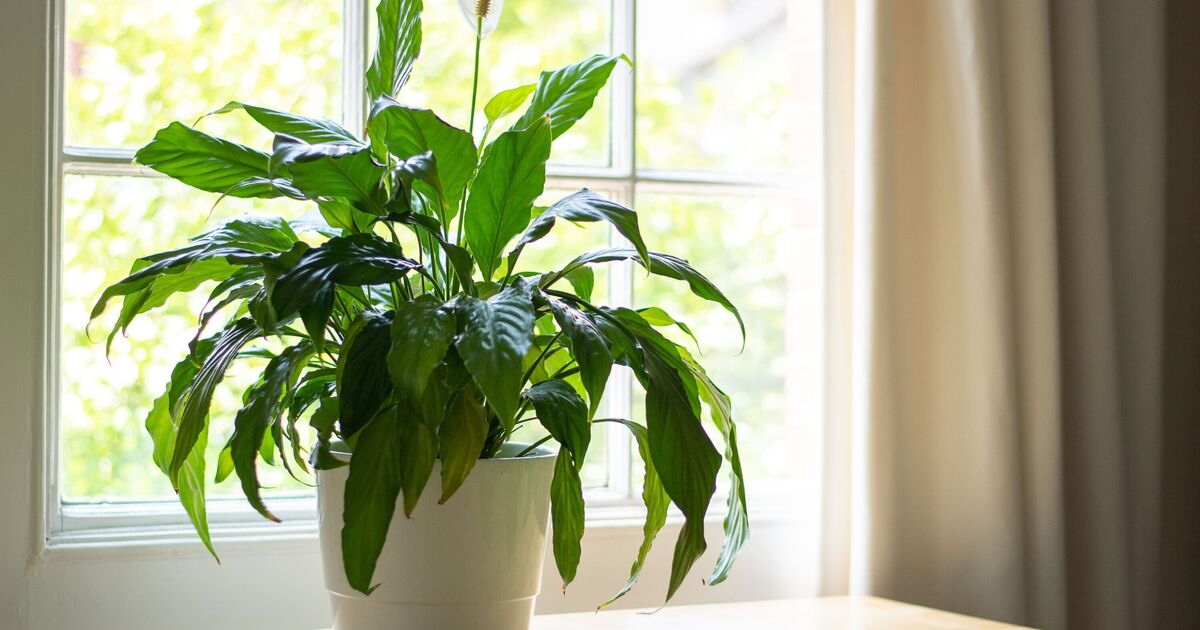
Peace Lily
The title ‘peace lily’ stems from the plant’s white blooms which are believed to resemble white flags – a universal symbol of peace.
Peace lilies “love the shade and thrive in high humidity so are the perfect choice for areas prone to mould” such as bathrooms.
The plant draws moisture from the atmosphere through its foliage and doesn’t require direct sunlight to flourish – it can develop under artificial lighting.
They’re also excellent for those battling allergies or asthma.Whilst the plant produces stunning flowers, it remains toxic to pets so it’s best positioned out of reach.
Additional care guidance includes removing spent blooms and regularly cleaning or wiping the leaves to ensure proper photosynthesis.
Snake plants
Also known as mother-in-law’s tongue, the snake plant is a robust and adaptable plant, making it one of the best for tackling condensation and excess moisture.
This plant thrives in bright light and warm temperatures and requires minimal upkeep, needing water only every week or two, making it an excellent starter plant for beginners.
The plant boasts a variety of leaf shapes and colours, many of which resemble snakeskin. Not only do the leaves soak up excess moisture, but they also filter common household toxins, according to NASA research.
Palms
Palms are touted as a “great choice to help control humidity and keep mould at bay” because they absorb moisture through their leaves.
There are several palm varieties to choose from, but areca palms, bamboo palms, lady palms, dwarf date palms and reed palms are the best for dealing with condensation. Other plants that thrive in humid conditions include orchids, Boston ferns and spider plants.
