


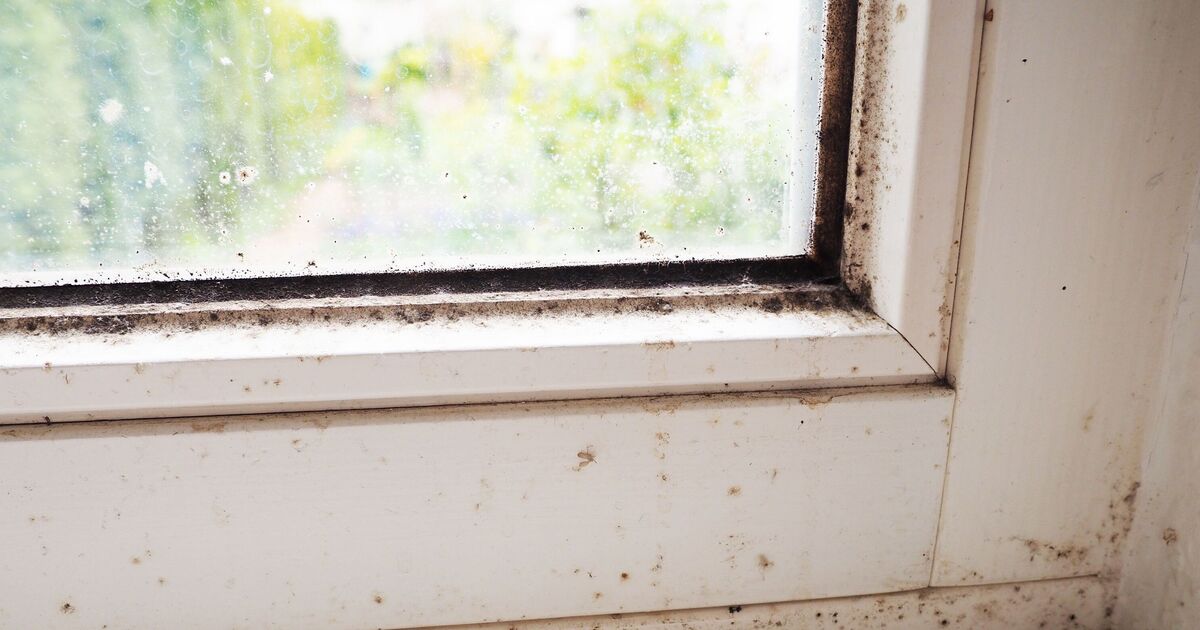
It might seem logical that mould couldn’t grow on silicone sealant, given its waterproof properties. Yet, as time passes, the silicone sealant can separate from the surface, allowing water to accumulate behind it. With windows subjected to condensation during the autumn and winter months, the water that settles creates the perfect environment for mould to flourish.
Fortunately, followers of cleaning expert Mrs Hinch have turned to social media to share their best methods for eliminating mould from silicone sealants on windows. This comes as cleaning fan Susan Piggot asked: “Can someone help me with how to get the black mould off the silicone sealant around my bathroom windows?”
The most common response was to use white vinegar as a permanent solution. Barbara Dickins wrote: “Clean with white vinegar and a toothbrush. Wipe clean and then spray some more white vinegar on the windows. Mould won’t grow back if you use white vinegar on it. If you use bleach, stop, as it feeds the next batch of mould.
Maureen Fisher said, “Vinegar. I use it in my caravan after it has been closed for winter. Spray and leave until the spores disappear.”
Debbie Mabbett warned: “Don’t use bleach, it will only temporarily remove it and will feed it, and it will come back again. White vinegar and a toothbrush, and a bit of elbow work.”
Plumbing experts a PlumbNation agreed and claimed that it is a “brilliant mould deterrent” too.
They said: “Its acidity makes it impossible for mould to grow, and vinegar can clean up to 82% of mould species.”
Simply spray the vinegar solution onto the affected areas and wipe the surface with warm water after an hour. Dry the surface thoroughly with a towel to prevent any mould regrowth.
It is worth households keeping a bottle of vinegar handy in the bathroom and spraying it onto mould-prone surfaces every few days. Vinegar ensures that “mould will never grow” on the applied surfaces.
