


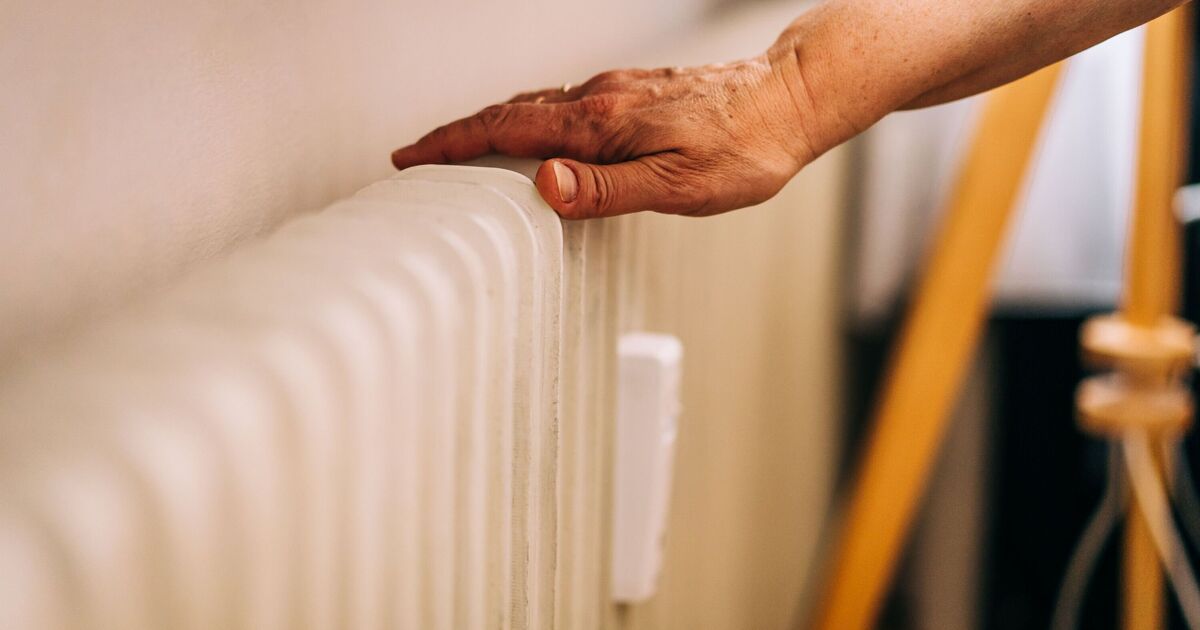
The weather is getting colder and the nights are darker, and with that change, millions of people across the UK are beginning to switch the heating on. If you are one of them, and you’ve noticed your radiator doesn’t seem to be working as well as it usually does, there is likely a simple explanation.
If you have noticed cold spots in your bedroom, or on your radiator, then you likely need to bleed it. This simple five minute task should be done every six months, and will help keep your radiator working effectively through the winter. Robert Quinton, insulation and construction director at Construction Megastore said: “Many homeowners assume their heating is working as it should, but small adjustments make a big impact.
“Even with the heating on, your home will feel cold if you have trapped air in your radiator, and gaps around your home.
“Luckily it is quite a simple fix by ‘bleeding’ your radiators, which is simply removing or releasing the trapped air.”
If you’re not sure whether your radiator needs to be bled there are a couple of warning signs to look out (and listen) for.
They are:
Radiators being cold at the top but warm at the bottom
Gurgling or ‘gurging’ noises
Rooms still feel cold despite heating being on
You haven’t bled your radiators this year
To bleed your radiator, start by switching off the central heating and letting all your radiators cool right down to avoid burns.
You’ll need a radiator key, a cloth and an empty container to catch any drips that come from the radiator. Locate your bleed valve at the top of the radiator and insert the key, turning counter clockwise until you hear it hissing.
Wait for a steady stream of water to escape and then then the valve clockwise to close it once the water has stopped.
Fixing gaps in your doors and windows will also help keep the heat in. This is easy to do with caulk. He said:
“Even with radiators working, small gaps around windows, doors, and baseboards let warm air escape and cold air in, making your heating less effective”
To fix this, first prepare the surface you are sealing by cleaning it and removing old caulk, then cut the tip of yiour caulk at 45 degres.
Applying steady pressure, caulk the gap in your baseboard or window frame and keep the sixe of your caulk bead consistent as you seal it.
Leave it for 24 hours for a tight seal.
