


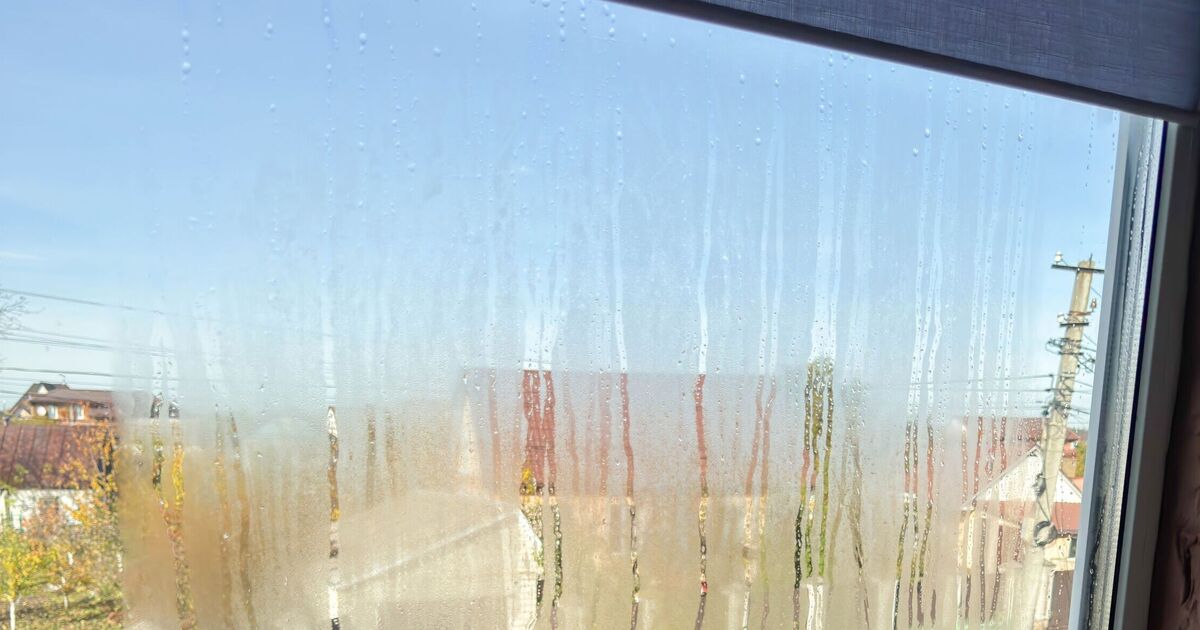
Winter has barely begun, and many UK households may have already noticed the tell-tale signs of damp: fogged-up windows, musty smells and even black mould in some rooms. Condensation on windows happens when water droplets from the air come into contact with a cold surface, with the moisture eventually leading to damp and mould.
From drying clothes indoors to taking long showers, small everyday habits can quietly worsen the issue. Some six home experts have issued their advice on how to prevent damp, condensation and mould this winter — and they all gave the same answer: you must manage moisture and ventilation properly.
1. Ventilation
Almost every expert stressed the same point: you can’t prevent damp without proper airflow.
James Kane, Head of Social Housing at ventilation specialists EnviroVent, highlighted the biggest daily moisture culprit — drying clothes indoors: “Drying clothes indoors releases litres of moisture into the air. If you can’t dry outside, see if you can use your bathroom as a drying room… Avoid drying clothes in bedrooms or living rooms without airflow.”
He also explained that even heating plays a role in humidity levels: “Every one-degree change in temperature can impact moisture levels in your home. If the heating in your home is reduced in temperature by just two degrees, humidity levels will increase by 10%.”
Stephen Hankinson, Heating Expert at Electric Radiators Direct, also emphasised fresh-air habits: “Opening your windows for just five minutes a day could make a difference. Regularly opening windows can improve the ventilation inside of your home creating an airflow of fresh air and decrease the humidity of the room.”
And for homes with modern fittings, he reminded people to use them: “Plenty of houses now have trickle vents… It is recommended to frequently keep them open throughout winter if you can.”
Cleaning Expert Sarah Dempsey from MyJobQuote offered the same advice from a mould-prevention angle: “The best way to prevent mould forming in your home is to ensure you have adequate ventilation… Opening your windows after a shower and keeping lids on pots when cooking also help.”
2. Run your heating properly
The experts also agreed that keeping your home consistently warm enough to prevent condensation from forming on cold surfaces is key.
Sarah (MyJobQuote) explained: “To prevent moisture from condensing on cold surfaces and allowing mould to grow, keep your heating on at a low level to raise the background temperature. Warm surfaces don’t allow water vapour to condense.”
James (EnviroVent) added: “Heating the home correctly can be a key part in avoiding mould.”
3. Stop damp where it starts
While ventilation and heating are important for the whole home, several experts addressed specific areas where damp tends to linger.
Garages
Garages are particularly vulnerable in winter. Alastair Mayne, CEO at Garolla, warned: “Damp and mould are a common problem for UK garages, particularly during the colder, wetter winter months.”
He recommended: “Check for leaks in the roof or windows… Small cracks can be filled with a sealant.” And to protect belongings: “Store your garage belongings on shelves rather than directly on the floor… helping them to stay dry.”
He also suggested a simple morning habit: “Just wipe away the condensation that has formed overnight with a microfiber cloth… Make opening the windows and wiping away the condensation a morning routine.”
Wardrobes
Interior design expert Melissa Denham at Hammonds Furniture reminded people that damp can build up inside wardrobes too: “It’s important to regularly clean the inside of your wardrobe to prevent damp and mould from building up. Simply wipe down the shelves, hangers and walls with a mild detergent or vinegar solution.”
And to keep clothes fresh on a budget, she added: “A simple £1 hanging dehumidifier bag… can help absorb excess moisture.”
Curtains & radiators
Curtains can also trap moisture if they are not placed correctly. Trend Specialist Ana Zuravliova from Blinds Direct warned: “Ideally, curtains shouldn’t hang over radiators… This can cause condensation on windows and may damage the fabric over time by causing mould.”
