


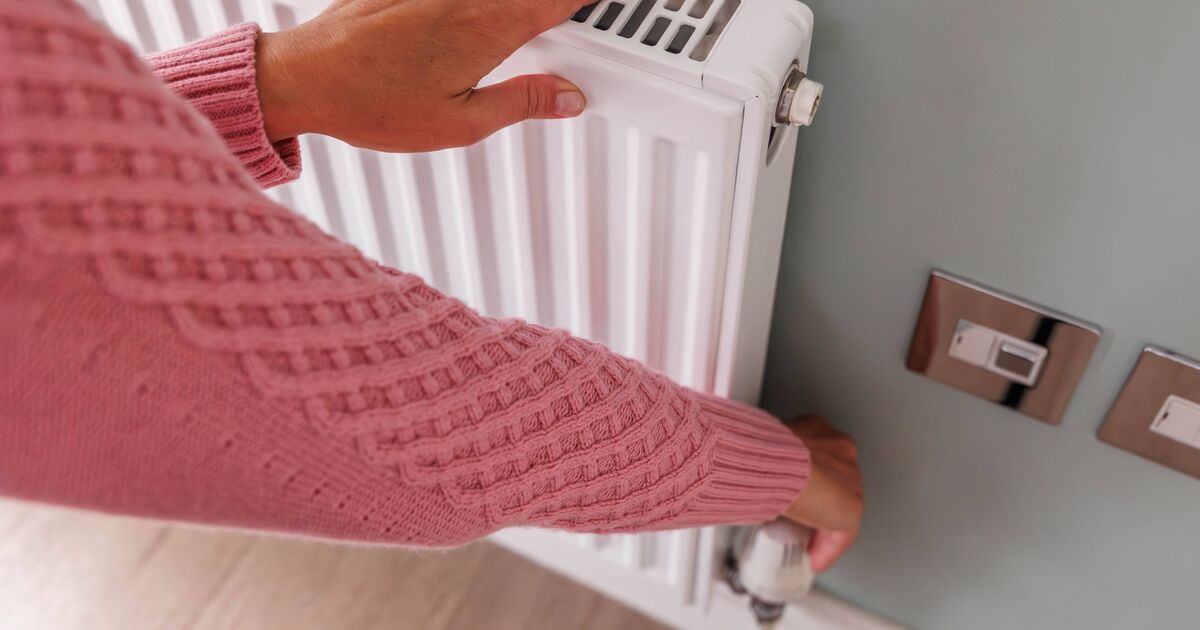
With freezing conditions battering Britain, countless families will be cranking up their heating systems around the clock. Frigid spaces throughout the house can be deeply uncomfortable, particularly when the heating is running at maximum capacity, which may signal an underlying issue.
Heating expert Zhelyazko Yanchev from Fantastic Services explained: “Water heating systems circulate hot water through pipes and radiators throughout your home. There are plenty of ways to make radiators hotter and heat up faster, without buying a new boiler and using expensive or specialist tools. Hot water radiator systems are very simple and the problems are likely as simple, too.”
1. Clear up
The initial step homeowners should take is eliminating any items positioned on top of or beneath their radiators. The specialist noted that radiators operate on the basis that heated air ascends through natural convection.
“Any objects placed on or under them will almost certainly interfere with this process, so be sure to keep your radiators clutter-free,” the expert advised.
2. Dust
Substantial accumulations of dust and fluff can block a radiator’s vanes, diminishing the heating system’s effectiveness. Vanes are upright tubes transporting cooling water and can be effortlessly cleaned utilising a lengthy, slender duster.
3. Balance radiators
The specialist said: “If one room is always colder or its radiators take a long time to heat up, you may need to balance the radiators.
“Doing this ensures that they heat up, regardless of how close they are to the boiler.”
4. Radiator fans
Radiator fans are compact electric fans that are typically positioned either at the top or bottom of the radiator. The plumber explained: “By drawing air through the radiator’s vanes, they help it emit as much heat as possible.”
If you continue to encounter problems with your radiators and heating even after adhering to the expert’s advice, it may be necessary to call in a professional to diagnose the issue.
Yanchev further stated: “If your radiators are not keeping your house warm in the winter, there may be several causes for this.”
