


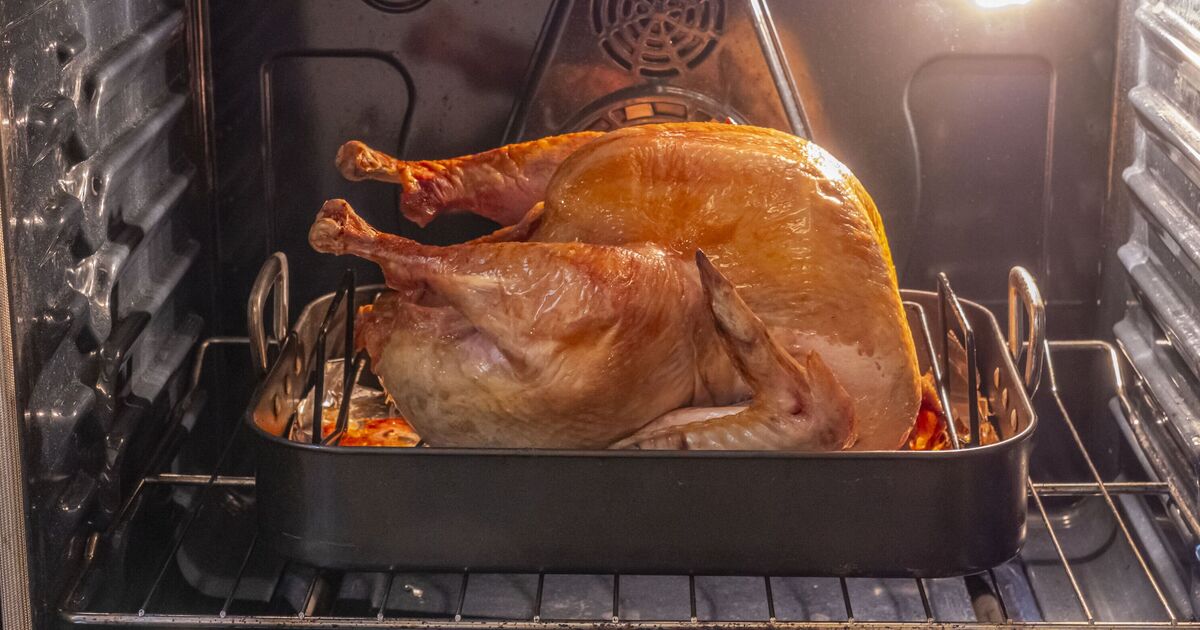
The countdown to Christmas is now officially on, and if you’re on dinner duties this year, there’s one very important piece of advice that you should be aware of. It’s especially relevent if you’re planning on preparing a delicious turkey for your guests.
This classic festive centrepiece is fairly easy to prepare, although it can take a good couple of hours depending on how big it is. And once it’s done and it’s time to clean up, you’ll likely have a tray full of oil and grease left over from cooking. But whatever you do, you should never pour it down the sink, according to the plumbing experts at HomeServe.
The experts are warning Brits to dispose of their oil correctly to avoid blocked drains and callouts, as HomeServe data shows that these increase by 23% in January compared to the average month – potentially due to putting an increased amount of oil going down the drain over Christmas.
Plumbing & water supply engineer Liam Sharkey said: “Pouring fat down the drain might seem an easy option, but it can wreak havoc with your pipes. Christmas is a time we tend to cook more hearty and fatty food, so it’s important to be extra vigilant when disposing of food waste such as meat juices. If they are poured down the plughole, they will solidify and risk leading to a blockage.”
How to avoid blocked drains
Having to call out a plumber comes at a price, so it’s likely you want to avoid any emergency situations – especially in January, when money is already tight for many people.
So, instead of pouring any excess grease or oil down the sink, wait for it to solidify, and dispose of it in an old plastic container such as a margarine tub. This can then be put in your regular waste when it is full.
If you think your drain might already be blocked, a good indicator is a foul smell coming from the plughole. If you want to attempt to clear it by yourselfl, you can pour a large cup of bicarbonate of soda down the plughole, followed by a cup of white vinegar.
Allow it to sit for 20 minutes, and then pour down a kettle full of boiling water. You should aim to do this once a week, to prevent blockages and keep your sink smelling fresh.
