


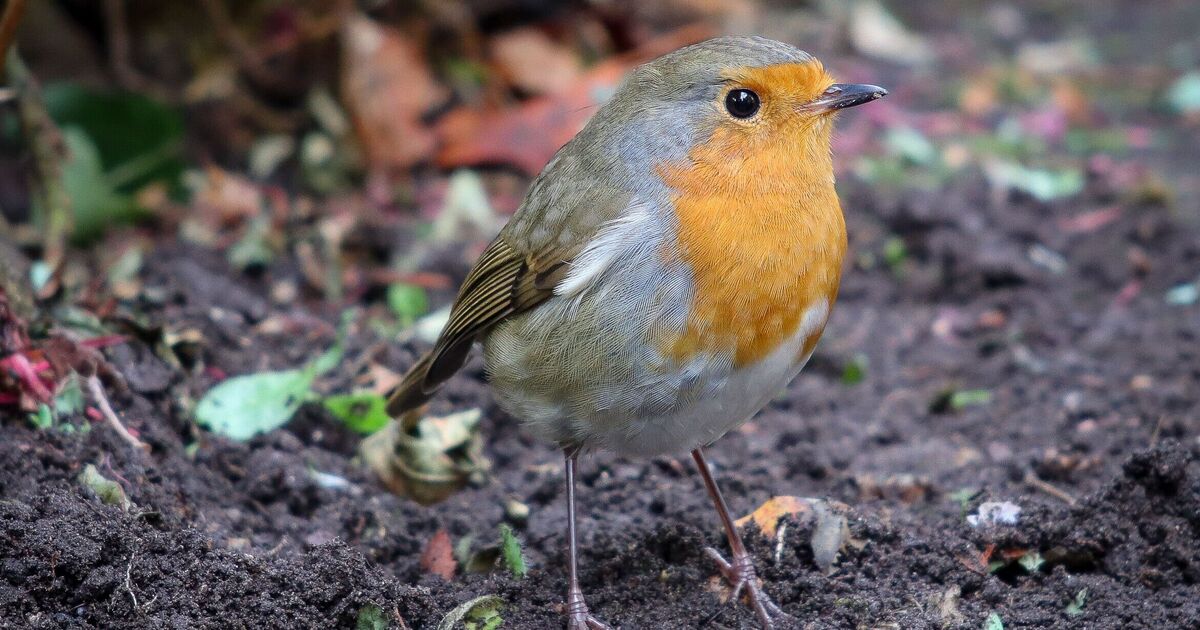
When winter settles in and the temperatures drop, garden birds begin their daily battle to find enough fuel to keep warm. For many people, the robin is the little visitor they hope to see hopping around the garden during these darker months and there’s a remarkably simple way to encourage one to return to your garden again and again. According to wildlife experts, one specific fruit acts like a magnet for robins in colder months like December.
Raisins may seem like an ordinary kitchen cupboard staple, but to a robin, they’re a powerful source of energy much needed during the wintertime. Their natural sugars provide the quick hit of fuel that small birds desperately need in freezing weather, when insects burrow deep into frozen soil and natural food becomes scarce.
Wild bird expert Danny Yeoman explains that robins “absolutely love” raisins, especially when other food is harder to find in winter.
Soaking them in warm water softens the fruit, making it even easier for robins to digest during frosty mornings.
Danny Yeoman, wild bird expert for Pets Corner and developer of Peter & Paul Bird Foods told Ideal Home: “Robins adore raisins. They’re a lovely little energy boost when natural food is harder to find.
“If you soak the raisins in warm water first, it makes them softer and easier for robins to digest – especially helpful during frosty mornings when insects and worms are tucked far below the frozen ground.
“Raisins, along with mealworms and soft fruit, are brilliant for helping robins keep their strength up through the colder months.”
While raisins are fantastic for robins, they are toxic to both cats and dogs. If you own a dog or a cat or if neighbouring pets could wander into your garden, make sure to only place the raisins somewhere that is inaccessible to pets, such as a raised bird table, or an enclosed feeder.
If in doubt, choose a safer alternative like mealworms or a soft bird-food mix.
Winter is the toughest season for robins. During long, cold nights, a robin can lose up to 10% of its body weight, according to the Woodland Trust. Offering foods like raisins or mealworms on your garden bird table can literally help them survive until spring.
Damp food and fruit can encourage mould, which is dangerous to birds. Using a covered bird table if possible, helps keep the food dry and also protect smaller visitors from other predators.
Robins are a favourite winter visitor, and there’s another why reason they feature on so many Christmas cards. In Victorian times, postmen wore red jackets and were nicknamed “robins,” making the bird a festive symbol.
