


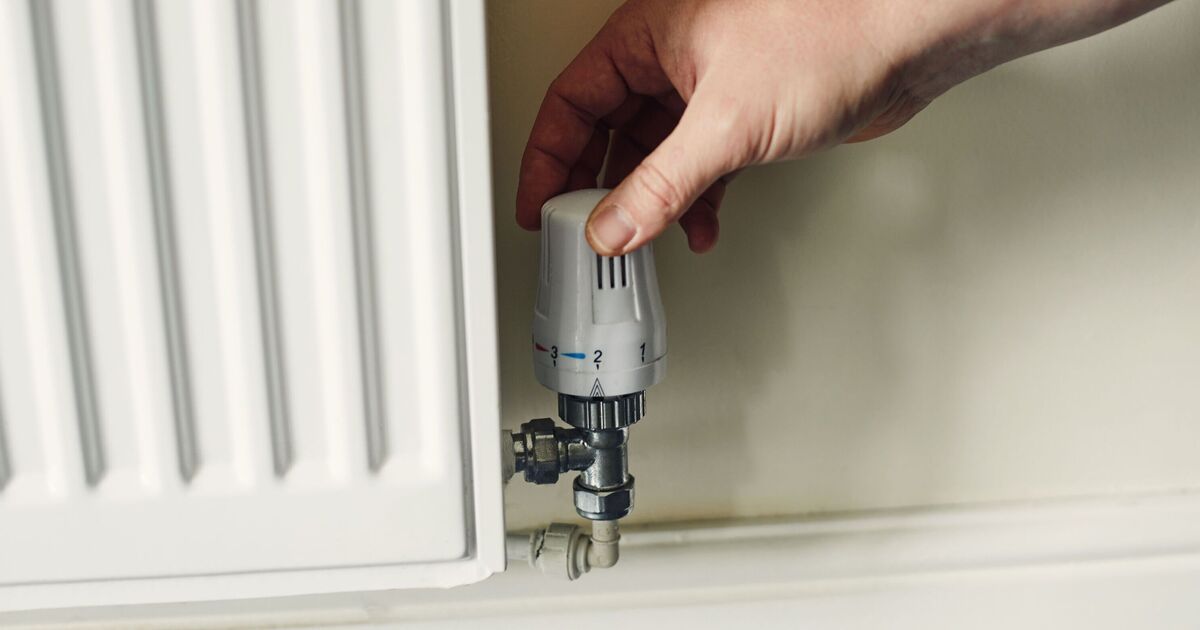
If you’ve ever glanced at the numbers on your radiator valves, you may have wondered what they actually mean. Many homeowners are unaware of the seemingly cryptic symbols and figures on these valves.
Contrary to common belief, the numbers on your radiator valve don’t indicate the heating temperature of the radiator itself. Instead, they reflect the desired room temperature. At the heart of this system is the thermostatic radiator valve (TRV), a device mounted on the side of the radiator. The TRV regulates the flow of hot water into the radiator, controlling the room temperature by adjusting the valve opening. It is designed to stop the flow of hot water into the radiator when it detects that the room has reached optimum temperature, which in turn helps to keep energy bills down.
So, how do they work? The engineers at Arton Plumbing and Heating explained that TRVs have an internal sensor that detects the room temperature. Inside the TRV’s head is a sensor that expands when it gets hot and contracts when it’s cool.
The numbers on the side of the radiator valve relate to the room’s temperature, not the radiator’s. They highlighted that this is a “common misconception and an important distinction”.
When the room reaches the temperature set on the valve, the sensor expands, preventing the flow of hot water into the radiator.
The pros said: “In simple terms, a TRV is designed to prevent a radiator from continually pumping out heat after it reaches temperature, thereby saving energy and money.”
The numbers on your thermostatic radiator valve correspond to room temperature. Here’s how that breaks down:
0 = off
* = 7C
1 = 10C
2 = 15C
3 = 20C
4 = 25C
5 = 30C
The benefit of thermostatic radiator valves is that you can set the temperature for each room separately.
In rooms you rarely use, such as a spare bedroom, you can set the radiator to a lower temperature to “save energy and money”.
The engineers advise setting your radiators to less than or equal to the temperature of the thermostat in your home, but “never above”.
They warned: “If you leave your radiator on the maximum setting, the valve will remain open, costing you money every time you switch your heating on. This directly goes against the point of using TRVs.”
