


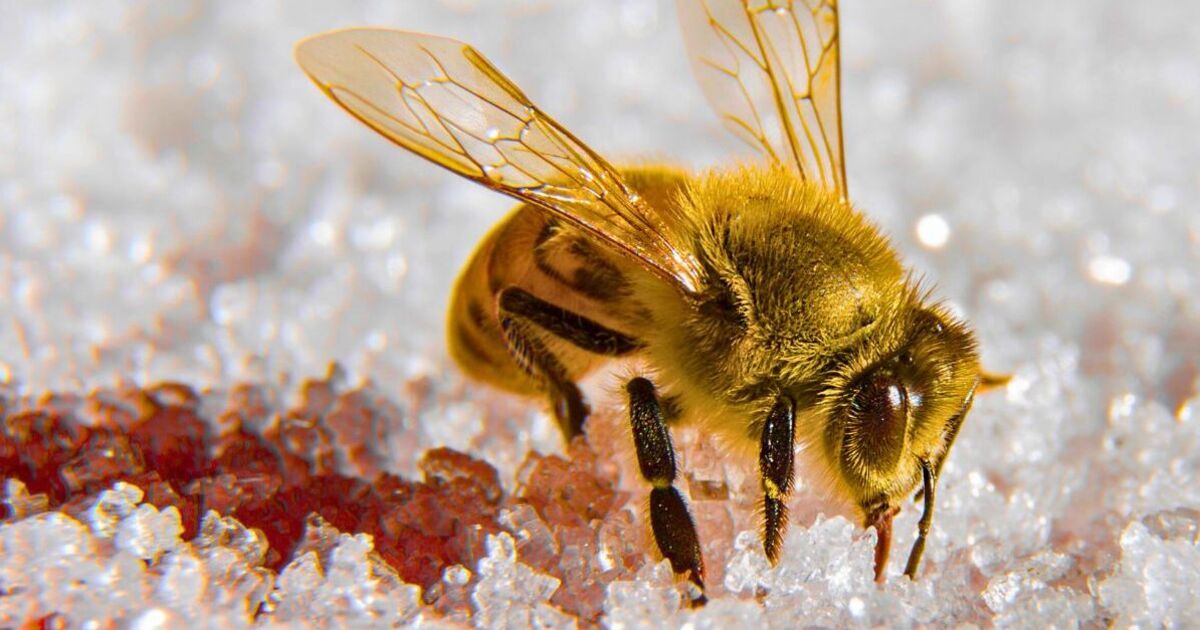
Many gardeners stay indoors to keep warm during winter, but December is an excellent time to prepare your garden to attract bees. Although bees are currently overwintering, meaning they remain sheltered in their hives to survive the cold, they will begin to emerge extremely hungry in late winter. By late January to early February, bees have used most of their stored energy and urgently need nectar to survive.
Taking the time to encourage bees into your garden early by ordering seeds now will allow pollination to begin sooner, which can lead to bigger flowers and better crop yields later in the year. The experts at the British Beekeepers Association have shared that planting a mix of flowers can lure bees into your garden and give it the strongest possible start, no matter what kind of garden you have.
Snowdrops
Snowdrops are beautiful flowers known for their bell-shaped white petals, but they are also very resilient as they can survive in freezing weather.
They are one of the few flowers that naturally grow at this time of year and are often a vital early energy source for British bees in late winter.
The expert said: “A delicate white flower often covered in snow, but a vital source for pollen and nectar.”
These pretty flowers are very easy to plant, as you just need to dig around five centimetres into the soil and keep them in moist but well-drained soil.
Winter-flowering Crocus
Crocuses are known for their cup-shaped flowers that come in many vivid colours, but most people know them from their bright orange stamens in the centre.
They tend to grow in clumps and are very frost-hardy which makes them perfect for a winter garden, and are often one of the first signs of spring in a garden.
However, the best thing about crocuses is that they are a rich source of pollen and are very easy to beads to reach the nectar they need even in extremely cold weather.
The expert said: “Easy to grow and look beautiful in containers or in groups in the lawn. An early source of pollen for the bees.”
Crocus flowers tend to be planted in September to December, so if you want them in your garden, it is best to sow them now to give them the best chance of growing.
Hellebore flowers
Hellebore flowers are hardy perennials that can be planted in winter and will flower very early, which makes them a fantastic choice for your garden.
Bees love early blooming flowers as it gives them a much needed source of food when there are hardly any flowers about.
These flowers are particularly low to the ground, providing bees with a safe landing spot during cold weather, and they bloom for an extended period, supporting bees throughout spring.
The expert said: “Helleborus species are tolerant of most conditions but they prefer moist, well drained alkaline soil in dappled shade.”
