


Zelenskyy urges EU leaders to unlock Russian assets to show Moscow its desire to continue war next year is ‘pointless’.
Ukraine has hit Russia’s southern region of Rostov with an overnight drone attack that killed three people, as European countries strive to unlock Russian assets to help Kyiv and United States-led efforts to end the war have yet to yield any tangible results.
Yury Slyusar, the acting regional governor of the Rostov region, said on Telegram on Thursday that the attack caused a fire on a cargo ship that had been extinguished, with two crew members killed and three left injured.
Recommended Stories
list of 3 itemsend of list
The governor also reported that Ukrainian drones killed a civilian in the town of Bataysk, near the port facilities, where two homes were burned down and an apartment block under construction damaged.
Using Russia’s money to aid Ukraine
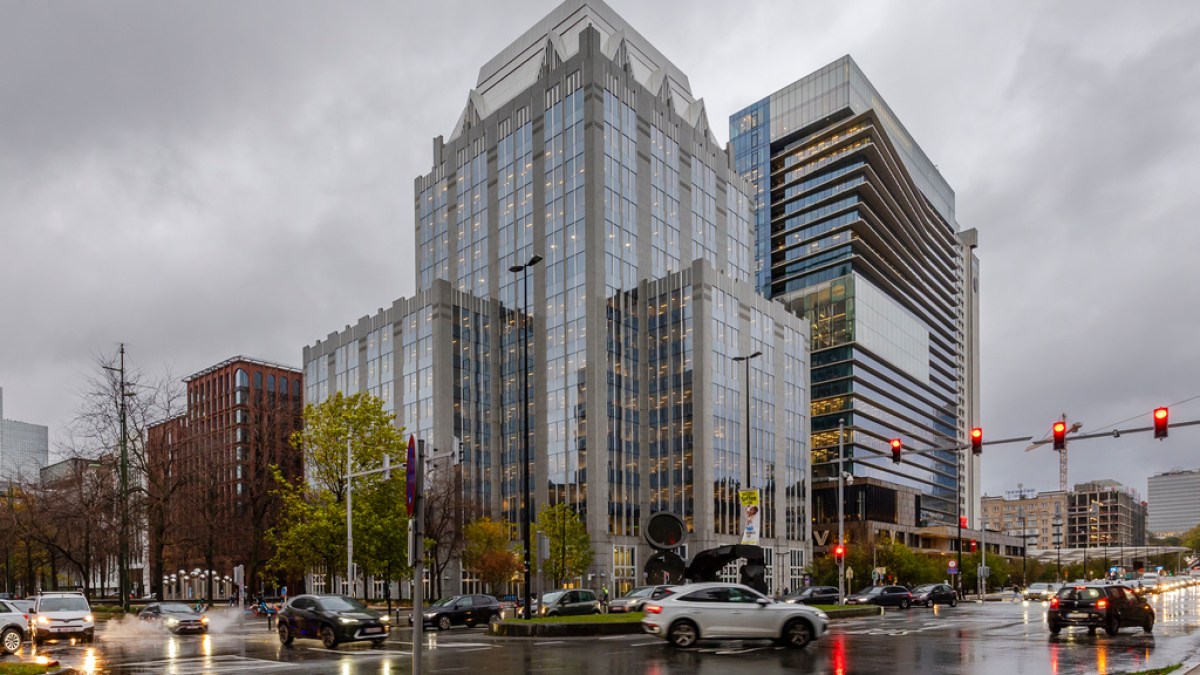
The attack on the region, the latest in a series of nightly Ukrainian raids deep inside Russian territory, came after Ukrainian President Volodymyr Zelenskyy urged European Union leaders meeting in Brussels on Thursday to approve plans that would release 210 billion euros ($247bn) of frozen Russian assets to assist his country.
“The outcome of this meeting – the result Europe produces – must make Russia feel that its desire to continue the war next year is pointless, because Ukraine will have support,” said Zelenskyy on Wednesday night.
The make-or-break summit on the plans, which would unlock the assets as the basis for a loan that would keep Ukraine afloat over the next two years, is seen as a test of Europe’s credibility as United States President Donald Trump, who has called the continent “weak”, pushes for a quick deal to end the fighting.
Without financial help, Ukraine will run out of money in the second quarter of next year and most likely lose the war to Russia, which the EU fears would bring the threat of Russian aggression closer.
But the plan hinges on the approval of Belgium, home to the Euroclear securities depository that holds 185 billion euros ($217bn) of the Russian assets frozen in Europe, which does not want to be left to foot the bill if Russian legal action in international courts succeeds.
Belgian Prime Minister Bart De Wever has argued that he needs a blank cheque from other governments for an indefinite period, because damages awarded to Russia could far exceed the amount held by his country.
In theory, other EU countries could override Belgium and ram the initiative through with a weighted majority, but that would be a nuclear option few see as likely for now.
“These are complex decisions that cannot be forced,” said Italian Premier Giorgia Meloni, who could offer key political cover for Belgium.
The commission has floated a potential fallback plan of the EU raising the money itself to lend Ukraine. But officials say that scheme has been shelved as it requires unanimous approval from the EU’s 27 leaders, and Russia-friendly Hungary has ruled it out.
Meanwhile, US efforts to forge a deal to end the war are set to continue, with officials set to meet Russian negotiators in Miami this weekend to discuss Trump’s peace plan, according to a White House official quoted by the AFP news agency.
Large differences remain all around. Ukraine and the US claim there has been progress on the issue of future security guarantees for Kyiv, but disagreements persist over the territory that Ukraine would have to cede.
Russian President Vladimir Putin said on Wednesday that Moscow would “certainly” achieve its objectives in the war, including seizing the territories it claims are its own.
Putin also slammed the West, describing calls in the West to prepare for war with Russia as “hysteria and a lie”.
