


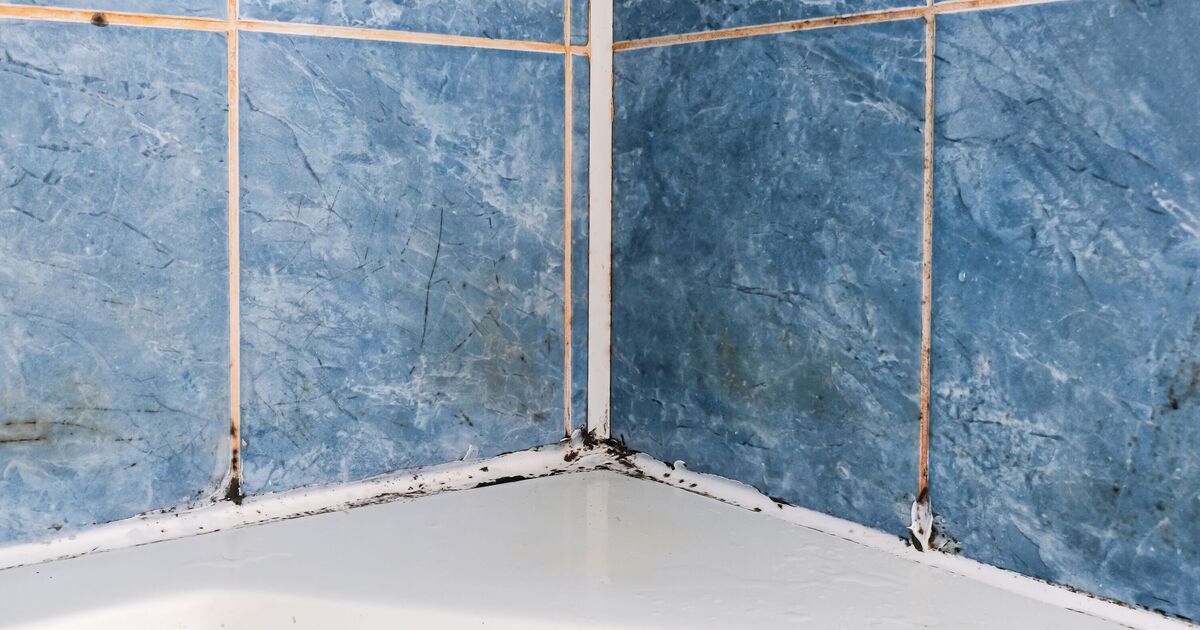
Silicone sealants serve as the white waterproof barrier surrounding showers and sinks, yet prove to be one of the most challenging bathroom areas to maintain due to continuous water exposure. Black mould flourishes on silicone seals as it requires moist conditions to survive and feeds on organic matter when soap, shampoo, or other oily substances aren’t regularly cleaned away.
While many households attempt to eliminate mould using bleach, this approach typically fails as it cannot penetrate sufficiently into the silicone material to eradicate it, and is far more likely to cause damage due to its harsh nature. However, Georgia Nunn, a specialist from Silicone Direct, has shared a straightforward method to eliminate mould from silicone and prevent its return using just one kitchen cleaning essential – white vinegar. Georgia explained: “Vinegar is a natural mould killer that, unlike other substances, does not contain any harmful chemicals.”
The white vinegar commonly used in cooking proves excellent at destroying mould as it contains acetic acid, which completely dissolves the spores.
White vinegar establishes an acidic environment whilst also breaking down soap residue on the silicone seal, making it challenging for mould to continue growing.
Vinegar not only destroys mould but can also penetrate deep into silicone sealant, enabling it to eliminate every trace without requiring harsher chemical alternatives.
To use vinegar to clean silicone sealant mould, firstly, ensure you’re dressed safely for mould cleaning. Don a long-sleeved T-shirt, gloves and a mask if possible.
Georgia advised: “You will need to wear a mask, gloves, and goggles in order to protect your skin, eyes and lungs from any airborne particles. It is important to avoid any direct contact with the mould and its spores, as they can cause allergic reactions and skin irritation.”
Once suitably dressed, fill an empty spray bottle with white vinegar and liberally spritz it onto the mouldy area.
Allow at least 15 minutes for the white vinegar to work its magic on the mould spores. After this period, combine baking soda and water to create a thick paste, and apply this over the vinegar.
Baking soda excels at cutting through grease, making it highly effective at removing soap residue. Its mild abrasiveness helps the vinegar lift the mould from the silicone. However, this step is not essential.
Next, use an old toothbrush or a bristle brush to scrub the silicone sealant in circular motions, which should easily remove the mould. Rinse the silicone sealant with clean warm water and thoroughly dry it.
For future prevention, wipe down silicone sealant after showering to avoid moisture accumulation, and ventilate your bathroom by opening a window, as humid conditions promote mould growth.
