


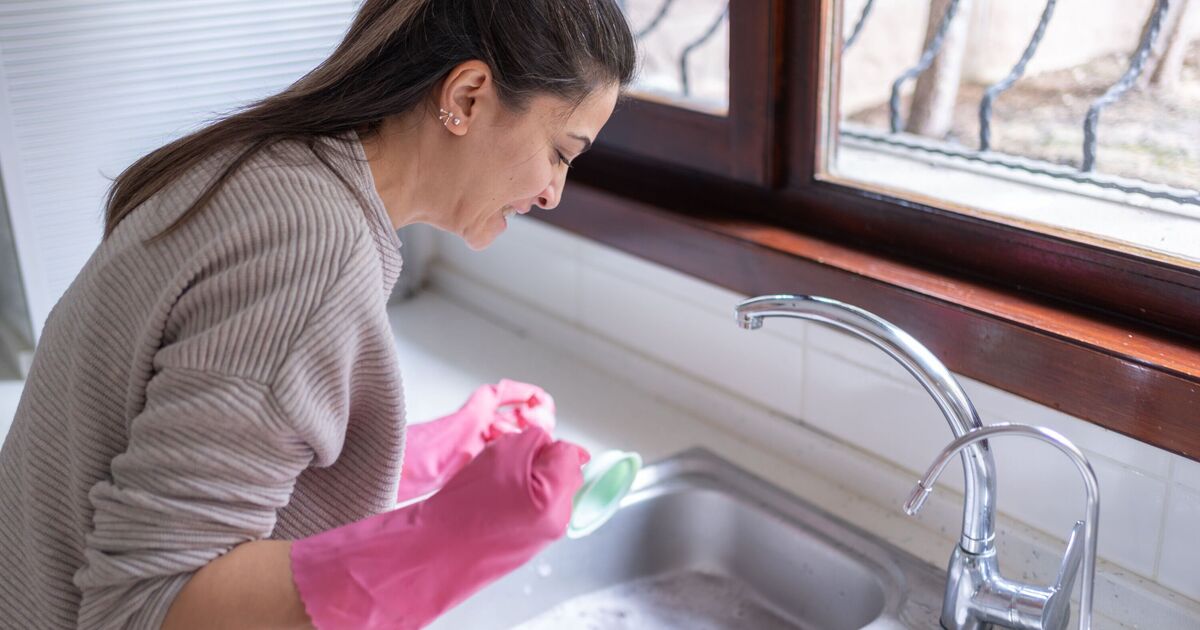
Christmas dinner is a highlight of the season, with roast meats, gravy and rich sauces taking centre stage. However, these festive favourites also produce substantial amounts of fats, oils and grease, which are often disposed of incorrectly. Many households, while preparing or cleaning up after meals, pour leftover cooking fats directly down the kitchen sink, posing a severe risk to the drainage systems.
Although many people on the internet recommend using a simple mix of white vinegar and baking soda to magically clear clogged drains, this DIY solution might not be the best choice for your plumbing. When you combine vinegar and baking soda, you get a fizzing reaction. This is because the two substances neutralise each other, creating carbon dioxide gas and water. While the fizz looks impressive and might make you think it’s doing the trick, it’s not actually breaking down the clog in your drain in any meaningful way, and, in fact, it is “doing more harm than good”, according to the plumbing experts at Absolute Drainage.
The bubbling action might help dislodge some small surface debris, but “it’s not powerful enough” to tackle a more severe blockage. Hair, grease, soap scum, and food particles often require a more robust solution.
The reaction between vinegar and baking soda won’t generate enough force to push these stubborn substances through the drain.
What’s more, repeated use of vinegar, which is acidic, can wear away at the pipes, especially if they are older. Over time, this can lead to corrosion, weakening your plumbing system, and potentially causing leaks or severe breakages.
The experts warned: “What seems like a harmless solution could end up creating a bigger and more expensive problem.”
So what should you use instead? The plumbing gurus claimed that a plumber’s snake is “the best option”. They explained: “A plumbing snake, also referred to as an auger, is a more direct approach. It’s designed to reach deep into the pipes and break up or pull out the clog.”
It works by feeding the coiled wire into the drain and turning a handle to help the cable manoeuvre through bends and break through obstructions.
However, misusing a drain snake can damage pipes, worsen blockages or even cause injury, so it’s important to know how to use one safely and properly.
How to use a drain snake on kitchen sinks
Start by placing a bucket under the sink to catch any water. Use a wrench or your hands to remove the P-trap (the curved section of pipe beneath the basin). Pour out any trapped water and inspect the trap for obvious blockages.
Feed the tip of the drain snake into the pipe that leads into the wall. Begin turning the handle slowly as you guide the cable forward. If you feel resistance, that is likely the clog.
Rotate the handle steadily while applying light pressure. The snake should work its way through the obstruction. You may feel the cable loosen once the clog starts to break up.
Gently pull the snake back out, cleaning it with a cloth as it exits. Check for any debris attached to the head. Reassemble the P-trap, turn on the tap and check whether the water drains freely.
