


My washing machine is one of the hardest-working appliances in my home as it’s typically in use every day. Before maintaining the appliance, I kept noticing funky odours coming from the drum and soon realised there was a build-up of mould in the door seal. The rubber seal around the door of a washing machine often harbours moisture – a perfect breeding ground for mould.
After having another issue with the seal, I had it replaced, but made sure to carry out one simple task at the end of every use, and I haven’t struggled with mould since. You don’t need any fancy cleaning equipment, just any type of cloth and 15 seconds of your time.
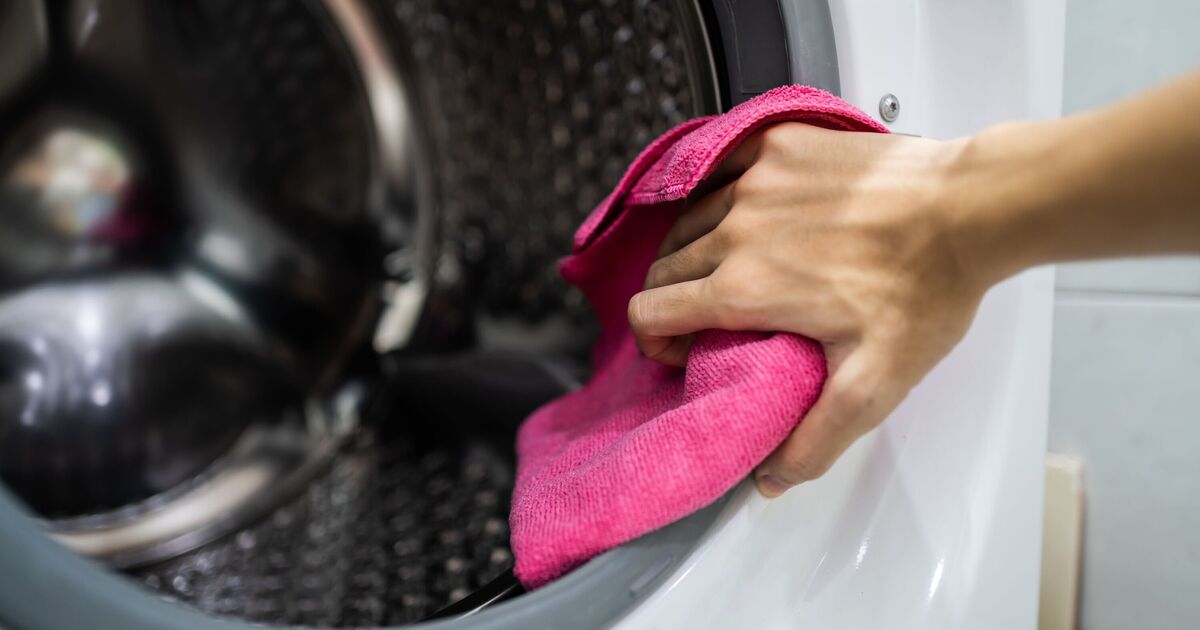
When a wash cycle has finished, I’ve gotten into the habit of doing two vital things, the first being wiping down the door, rubber seal and drawer.
If you don’t wipe down these areas of the washing machine after every cycle, aim to do so at least weekly. A quick wipe can go a long way in preventing mould from building up.
After giving the seal, door and drawer a quick wipe down, to thoroughly air out my washer, I leave the washing machine door and drawer open.
Try to keep the washing machine door and drawer open about 30 minutes after you’ve washed a load.
For those looking to give their washing machines a thorough clean, I like to use white vinegar and baking soda in a hot wash cycle.
I start by adding white vinegar to the detergent drawer; half a cup is enough. White vinegar is an excellent natural cleaner that can help remove odours and clean your entire washing machine.
For the baking soda, I tend to add it directly to the drum and use about one cup for the powder.
I set the washing machine to a 60-degree cycle, as the hot temperature, along with the vinegar, will help to kill any bacteria that may have accumulated in the appliance.
