


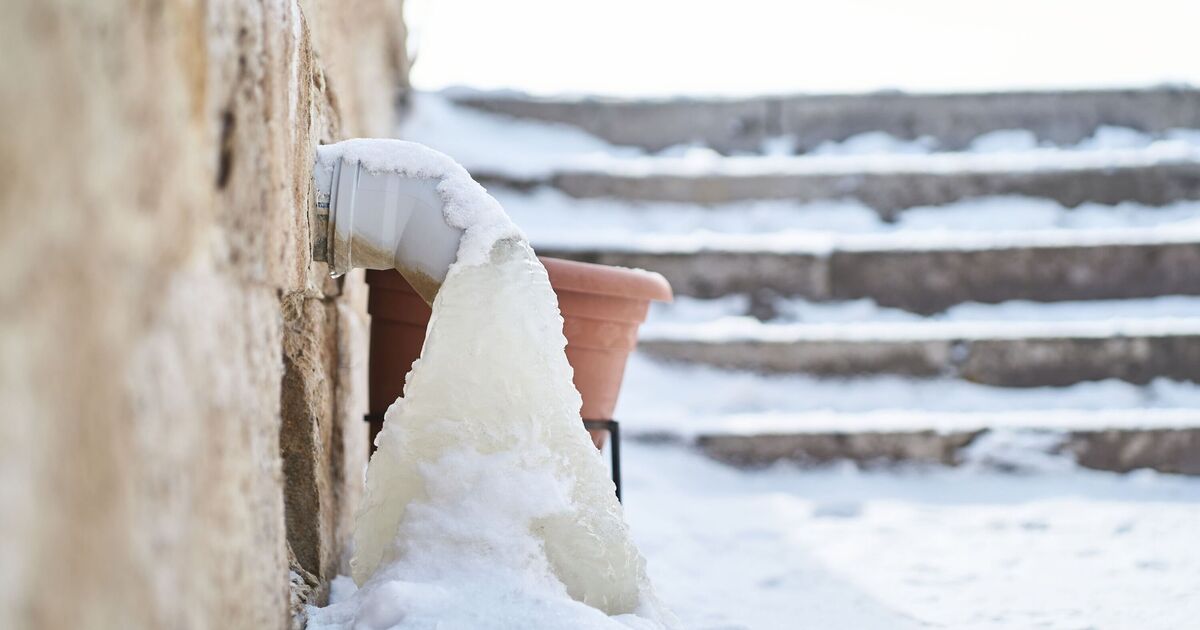
With temperatures dropping to minus, households in the UK face various issues, including frozen pipes. Frozen pipes occur when the water in your pipes freezes due to inadequate insulation. Not only can they stop heating and hot water from working properly, but they can also burst, according to British Gas.
This can lead to leaks or even flooding of the home. While my pipes are insulated, and my heating was on overnight to prevent frozen pipes, I still woke up with the dreaded problem.
So, I decided to do one simple task in my kitchen and the downstairs toilet to help provide the pipes with warm air.
This involved opening all the cupboards in my kitchen where the pipework is located.
Opening kitchen cupboards helps defrost frozen pipes by allowing warm air from the room to circulate around the plumbing hidden inside.
These pipes are often located along exterior walls, where temperatures drop more quickly, and closed cabinets can trap cold air.
By opening the doors in my kitchen, I allowed warmer indoor air to circulate around the pipes, helping the ice thaw and reducing the risk of further freezing or burst pipes.
While I usually do leave my cupboards open overnight, this one particular night I had forgotten to do so, and temperatures reached a whopping -5°C.
When I woke up in the morning, I realised the pipes were frozen. I quickly opened the doors, increased the heating, and they were defrosted within two hours.
You can also try thawing the pipe if you know which one is frozen, according to British Gas.
They said: “Once you’ve found the culprit, you’ll need to thaw it out to get things flowing again.
“Slowly pour hot but never boiling water over the frozen pipe and place a hot water bottle over it to help melt away the ice.”
