


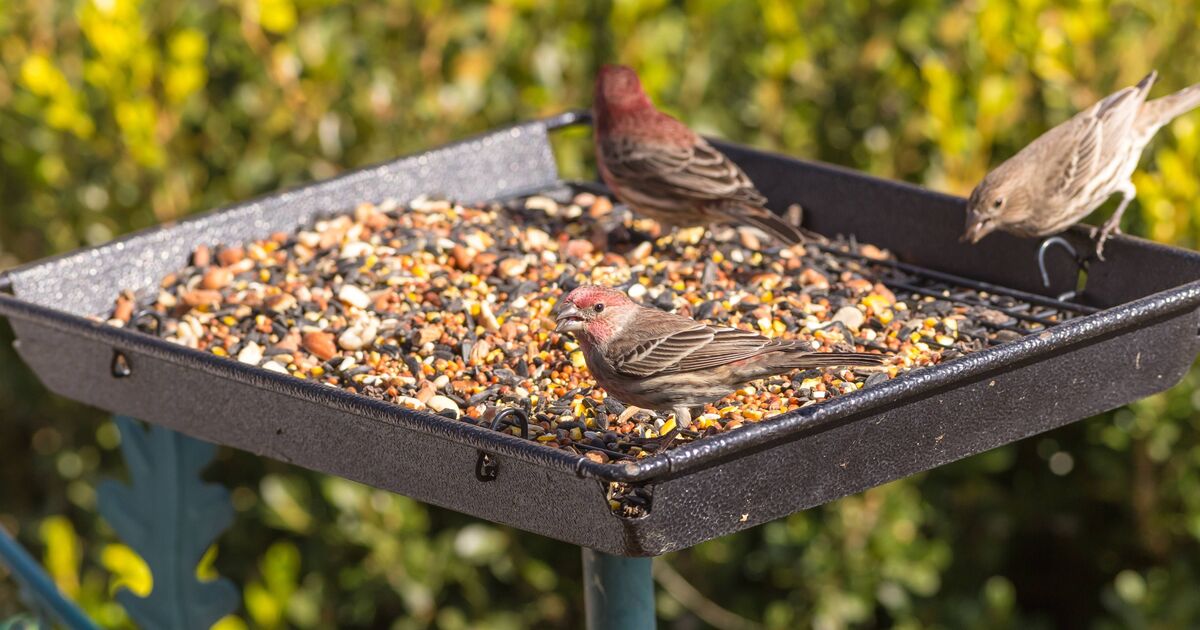
Garden enthusiasts are being cautioned about the potential dangers of bird tables, which could inadvertently spread lethal diseases among avian populations. Last year, the Royal Society for the Protection of Birds (RSPB) ceased selling flat bird feeders on its website following evidence that they may aid the transmission of illnesses like finch trichomonosis, especially amongst finches.
Greenfinches have suffered a significant decline, with their numbers plummeting by 69% between 2008 and 2018 due to a parasitic disease. The species was added to the red list in 2021. In a statement to its customers at the beginning of 2025, the charity said: “As a precautionary measure, whilst we await the findings of the review, we have suspended all our bird tables and related products, table mix and table mix extra, window feeders and feeder guardians with trays, from sale.”
The RSPB further explained: “This is because there is evidence to suggest that some birds, particularly finches, can be more exposed to disease when fed on flat surfaces like these.”
In December, RSPB England shared some helpful advice on its Facebook page for anyone feeding their local feathered friends, ahead of the Big Garden Birdwatch taking place at the end of this month. The organisation highlighted the importance of feeding birds during the harsh winter weather.
When choosing the correct type of bird feeder and food to put out, the RSPB wrote: “Choose suet, peanuts and seeds in hanging feeders during the winter. We recommend stopping the use of bird tables and other flat surfaces to feed because evidence suggests that damp food on flat surfaces can increase the risks of spreading disease.”
Vine House Farm experts have echoed the RSPB’s warning, urging gardeners to refrain from using flat feeders such as tables and trays. Bird specialist Lucy Taylor warned: “Providing garden birds with food on bird tables, ground trays and other small and confined flat surfaces, does carry a particular risk to the health of birds because of the increased chance of disease transmission.
“This is because the disease Tricomonosis – which especially affects Greenfinches and Chaffinches – can more easily be transmitted when an infected bird drops food onto the flat surface, which another bird then picks up.”
The expert warns that bacteria from decaying food and waste from seed husks can accumulate on a flat surface, leading to Salmonella, a condition that can prove fatal to birds.
She reassured: “But the good news is that these risks to birds can be greatly reduced if very regular and thorough cleaning is carried out on all types of bird feeders, plus other measures are taken.”
How to safely feed birds on flat surfaces
Ensure bird feeders are cleaned regularly
Lucy advised: “If you are unable to regularly and thoroughly clean bird tables and other flat-surfaced feeders, you should avoid using these feeding methods. However, note that all types of bird feeders must be kept clean.”
The RSPB also stressed the importance of making sure your feeder is air-dried. It explained: “Wash and air-dry feeders regularly. Use a mild non-toxic disinfectant or washing up liquid.”
Take some time to also clean up around your bird feeder by sweeping up any fallen seeds regularly.
Change the location of bird feeders
“Regularly change the location of all bird feeders in your garden. This includes bird tables, ground trays, hanging tube seed feeders, and hanging suet feeders. Birds often feed on food that has dropped to the ground, which can easily become contaminated by waste and droppings,” she added.
Consider alternatives to traditional bird tables
Lucy advised: “Scattering bird food such as sunflower hearts on larger flat areas like decking, patios, driveways, or short-cut lawns is a good alternative to bird tables and ground trays. However, be sure to rotate the areas used. Ground feeding is especially important for species like blackbirds, which cannot easily use hanging feeders.”
Limit the amount of bird food provided
She also stressed the importance of portion control: “No matter which ground feeding method you use, limit the amount of bird food you provide to what can be consumed within a single day. Additionally, switch to sunflower hearts or husk-free seed mixes if you haven’t already, as they generate far less waste and are more efficiently eaten by birds.
“Steer clear of low-cost bird food, particularly mixes. These are often not eaten by songbirds and may accumulate on the ground, bird table, or feeder, increasing the risk of disease.”
Maintain clean bird baths
Lucy further emphasised the need for cleanliness: “Clean bird baths daily and allow them to air dry before refilling. The drying process helps ensure that the Trichomonosis parasite does not survive. If you feed birds in your garden, please continue doing so. However, make hygiene your top priority to safeguard their health.”
Water in bird baths should be changed frequently.
