


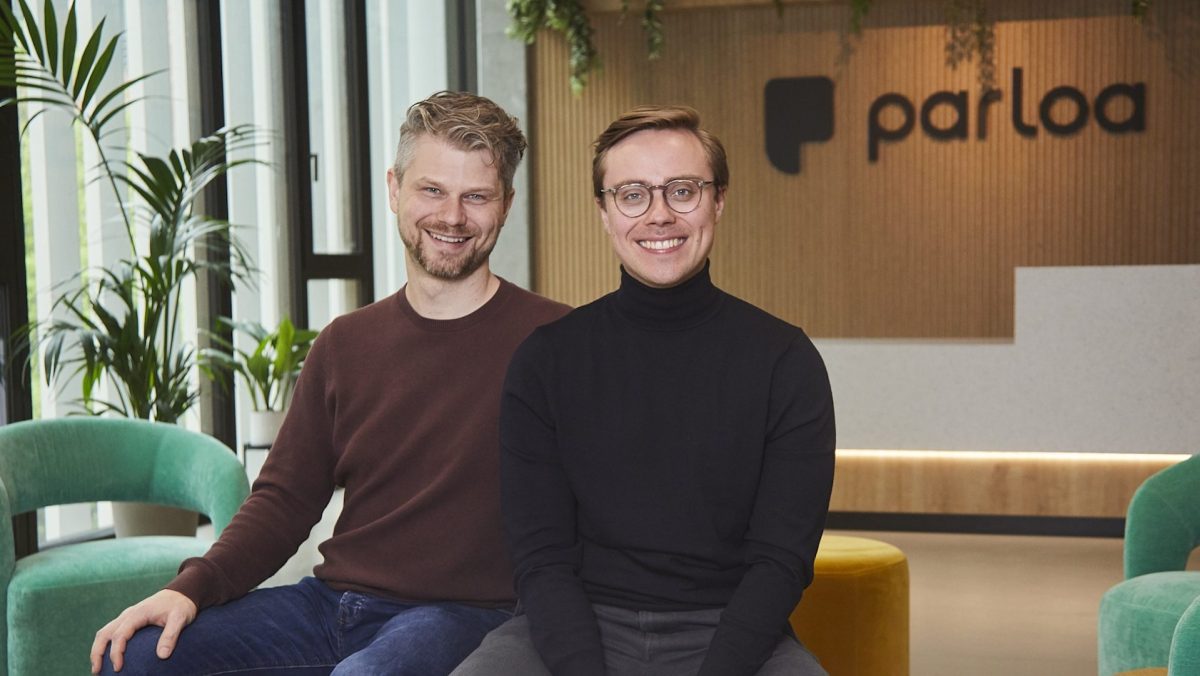
Berlin-based Parloa has raised $350 million in Series D funding from existing investors, valuing the six-year-old customer service AI startup at $3 billion. The round comes just eight months after the company raised $120 million at a $1 billion valuation.
The new round was led by General Catalyst, with participation from returning backers including EQT Ventures, Altimeter Capital, Durable Capital, and Mosaic Ventures.
Parloa is one of many startups developing AI agents that promise to automate the kind of customer service work previously handled by human representatives and help desk staff.
The company’s competitors include Sierra, co-founded by OpenAI Chairman Bret Taylor, which raised $350 million at a $10 billion valuation in September; and Decagon, reportedly in talks to raise capital at a valuation of upwards of $4 billion. Other companies working to replace human agents with AI include older players Intercom and Kore.ai, as well as the U.K.-based PolyAI, which raised an $86 million round at a $750 million valuation last month.
Malte Kosub, Parloa’s co-founder and CEO, doesn’t seem fazed by the competition, largely because he doesn’t believe this is a “winner-take-all” category. “In the end, it is one of the biggest opportunities that has ever existed in software,” he told TechCrunch.
Indeed, Parloa and its rivals are vying to automate a significant portion of the global customer support workforce, which Gartner estimates at 17 million contact center agents worldwide.
But it’s not just the size of the market that gives Kosub confidence about Parloa’s ability to win. He pointed to the startup’s massive fundraise as a sign that it could be among the top leaders in the space. “There are a lot of companies out there, but you need to look at the scale and the amount of funding they got,” he said. “The number of competitors is decreasing significantly.”
Techcrunch event
San Francisco
|
October 13-15, 2026
Last month, Parloa said that it was generating annual recurring revenue of more than $50 million, but that’s not meaningfully ahead of Poly AI, which expected to end 2025 with ARR of $40 million, or Decagon, which is reportedly making “significantly more” than $30 million in ARR. Still, Kosub seems convinced that being so well capitalized will help his startup get ahead.
Parloa’s AI agents are already answering calls for large enterprise customers, which include Allianz, Booking.com, HealthEquity, SAP, Sedgwick, and Swiss Life, but the CEO says the goal is to do more than just build software that “picks up the phone.”
The company will invest a significant portion of its new capital into building a “multi-model, contextual experience” that will allow personalized AI agents to recognize a customer’s identity and specific needs, whether they reach out via an app, a website, or a phone call.
