


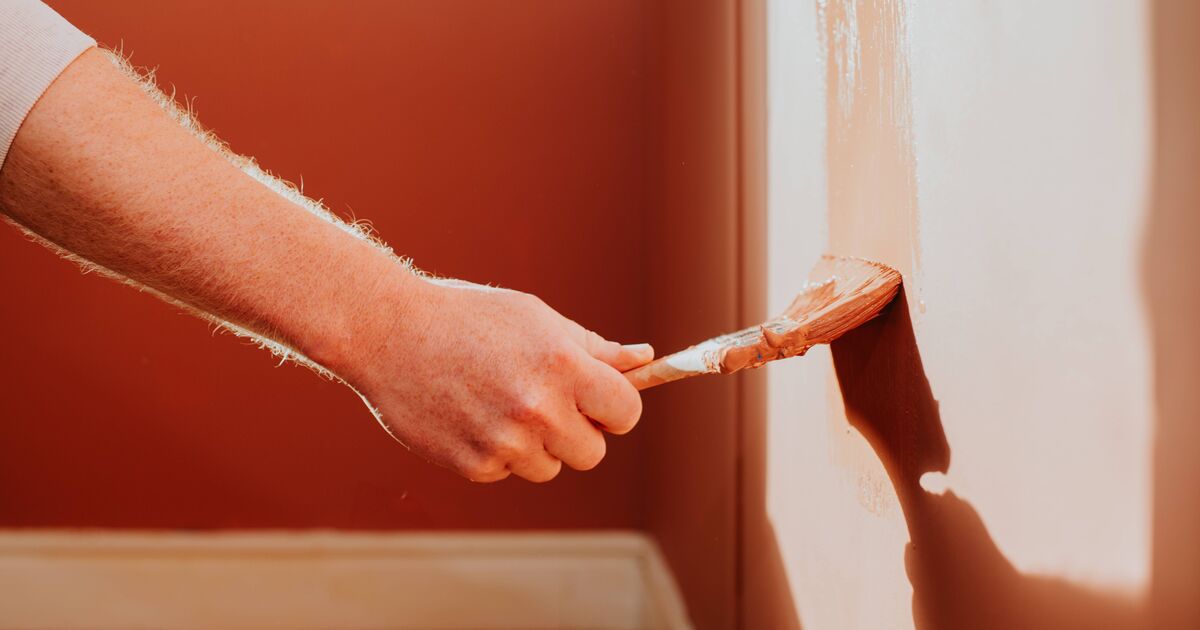

Giving your walls a fresh coat of paint is a great way to update a room (Image: Catherine Falls Commercial via Getty Images)
The beginning of the year signals a time for change. For some people, that might be starting a new diet or a workout routine, or perhaps ditching meat and giving veganism a go. For others, it means giving their house a refresh, either with a new piece of furniture or a lick of paint. Giving your walls a fresh coat of paint is a great way to update a room, inject new life into it, and potentially add value to your home.
However, choosing the right colour can be difficult, especially if you don’t keep up with interior trends. With this in mind, I consulted several interior and paint experts to find out which colours will be everywhere in 2026. While no specific colour was agreed upon, the most frequently mentioned colour family was warm neutrals, browns, terracotta, and clay tones, as experts predict a major shift toward earthy, comforting, and grounded palettes.
READ MORE: Popular home improvements to avoid making in 2026-—will ‘add no value’
READ MORE: 8 interior design trends that will dominate 2026
In fact, Pinterest and Google search data show that 2026 interiors will feel far more organic and grounded, with demand for earthy colours. New research from David Wilson Homes shows that wellness interiors are set to trend in 2026, with over half (52%) of UK homeowners styling their homes to create a calming atmosphere.
Karl Openshaw, the creative director of Baya Interiors and Blocc Interiors, said: “Earthy tones resonate because they instantly ground a space. After years of cool greys and artificial minimalism, people are craving warmth, depth, and a connection to nature. Greens with a hint of brown feel organic and calming, bringing the outside in without overwhelming a room.”
Clarendon Fine Art’s chief creative officer, Sara Hill, agreed, noting that mocha was a huge trend in 2025 and brown will continue to be a popular colour palette in 2026.
She said: “Mocha and other dark brown tones work beautifully as neutrals, but with far more depth and soul than a beige or grey. It’s also a tone that flatters art well, allowing artwork pieces to stand confidently alone, while adding subtle strength to a space.”
Bruce Tucker, co-founder of Octane Seating with 15-plus years in furniture and interior design, said he believes terracotta-inspired neutrals will dominate 2026.
He explained: “These colours combine the safety of a neutral with the warmth of a clay pigment, which is a big part of why clients are requesting them. After a long run with cool tones, there is a real appetite for homes that feel sunlit, earthy, and handmade.
“Terracotta neutrals tick all of those boxes. They sit beautifully in daylight, shifting subtly across the day, and at night they maintain cosiness without appearing heavy. The palette also captures the ongoing influence of Mediterranean and South-west style without asking someone to commit to a vivid colour. Soft apricot, clay beige and muted peach work brilliantly in smaller British homes where light can be limited.”
Caroline Woolmer, head of product design at I Love Wallpaper, also mentioned terracotta and mocha shades, which evoke “natural landscapes and sensory comfort”.
“This has been influenced by the growing trend of creating spaces that feel nurturing and tactile, which we expect to see a lot more of next year,” she said.
“These colours pair seamlessly with layered textures, 3D surfaces, and subtle metallics, supporting the growing demand for sensory-rich interiors. Balancing grounded earthiness with colours associated with calm sanctuary, this palette embodies a mindful approach to design, where spaces are both visually and physically comforting, and deeply personal.”

New research from David Wilson Homes shows that wellness interiors are set to trend in 2026 (Image: aire images via Getty Images)
Laura Rich, creative lead for product at Furniturebox, echoed the other interior experts’ views, stating that deep, dark rich browns, walnut shades, terracotta, and burnt orange will be popular.
“First up, we have deep, dark, and rich browns – think espresso in shade – that can be used as a substitute for black or charcoal to offset brighter colours but still bring a touch of warmth to the space. Over the past few years, we’ve leaned more towards light and golden-hued browns, but in 2026, we’re preferring more of a greenish, reddish, greyish tint.
“Walnut shades are incredibly big this season, same with oak and black wood. Naturals are becoming very popular, and we’re seeing this not only in colour choices but also in textures of furniture, too, including wood effects and marble. Shades such as burnt orange and terracotta are ideal ways to stick with the trend of warmth while still experimenting with colour. Both of these are perfectly complemented by shades of grey, and can be a great way of bringing vibrancy to your garden with outdoor furniture!”
Ana Zuravliova, trends specialist at Blinds Direct, also mentioned warm, earthy tones and rich browns. She said warm neutrals like taupe, stone, and beige are emerging as the “go-to shades” for 2026.
“They offer a beautifully subtle backdrop that pairs effortlessly with natural materials like wood, linen, or rattan. These colours feel soothing and grounding, which aligns with the growing desire for interiors that promote rest and relaxation,” she said.
Earthy tones like deep terracotta, brick, and clay will also become increasingly popular, according to the expert, as more people crave a sense of warmth and a depth of space, and a drive to reconnect with nature.
Deeper, richer brown tones and burgundy are also continuing to make a “comeback”, according to Ms Zuravliova.

Terracotta was mentioned by most of the experts (Image: Kseniya Ovchinnikova via Getty Images)
“These deeper, more luxurious tones add character and elegance without being overwhelming. Cooler browns will still feature in some spaces, especially as a transitional choice from the greys we’ve seen dominate, but the trend is shifting towards richer, warmer, more emotive hues,” she explained.
Melissa Denham, an interior design expert at Hammonds Furniture, agreed that 2026 will see earthy hues such as warm terracotta, clay tones, and muted browns become popular.
“With natural textures and materials dominating interiors, it only seems right that colour palettes which feel calm and nature-inspired are also having a moment,” she said.
“In 2026, expect to see a strong focus on earthy hues such as warm terracotta, soft moss green, clay tones, and muted browns. These colours help promote emotional wellbeing and make rooms feel nurturing and soothing.
“Earthy colours are incredibly versatile, so they can work in a variety of spaces, including modern living rooms, classic dining rooms, or even bedrooms designed with tranquillity in mind. When layered, they create depth and harmony, allowing textures and furniture to become the focal point. These shades also reinforce the connection to nature, supporting mindfulness and wellbeing.
“Pairing earthy colour palettes with natural materials like stone, wood, and linen ensures a home feels balanced and grounded.”
Cathryn Sanders, head of creative at Earthborn, a company that specialises in producing high-quality and high-performance environmentally friendly paints, said our colour preferences have changed. People are now leaning towards tones that offer balance, comfort, and “emotional reassurance”; tones that create a sense of calm.

Pinterest and Google search data show that 2026 interiors will feel far more organic and grounded (Image: YKvision via Getty Images)
“Soft, natural tones and gentle finishes, for example, help to ground a room and invite stillness, rather than create a space that feels busy or overstimulating,” she said.
“We are seeing a renewed interest in tones that feel authentic and grounded, such as calming neutrals and rich, nature-inspired palettes. We’re also seeing a strong connection to wellbeing and biophilic design, as people look to bring nature’s quiet beauty indoors through colour, texture, and form.
“Nature-inspired palettes are becoming more sophisticated, moving beyond literal botanical greens to include mineral tones, weathered earth shades, and misty neutrals that feel both organic and refined. Comfort colours are shifting too-what once meant warm beiges and blushes is expanding to include enveloping charcoals and taupes, rich berry browns and complex mid-tone neutrals that bring emotional warmth without overwhelming a space.
“We need paint colours that help us feel comfortable and safe, so comfort and nature tones will continue to work together in 2026. Warm neutrals, clay-based browns, softened greens, and atmospheric blues remain at the centre of this mood, offering a sense of reassurance and familiarity.”
Ally Dowsing-Reynolds, interior expert at Dowsing and Reynolds, said she’s seeing two colour directions for 2026 paint and kitchen palettes, including brown tones.
She said: “The cashmere kitchen colour trend is all about calm, understated luxury. It’s those soft, mushroomy colour tones, paired with gentle textures and simple shapes, that feel relaxing to be around.
“Start with a warm neutral colour base on your cabinetry, then build interest through natural materials like stone, wood, or reeded glass. It’s about creating a space that feels effortlessly elegant every time you walk in.”

Choosing the right colour can be difficult, especially if you don’t keep up with interior trends (Image: FabrikaCr via Getty Images)
Samantha Lawson, senior bathroom designer at luxury bathroom retailer Drench, said warm, bright neutrals with clay, sand, and taupe undertones are set to dominate interiors in 2026, particularly in bathrooms.
She explained: “These shades feel softer and more natural than the cooler greys and stark whites that defined previous years, making them ideal for spaces designed around relaxation.
“Wellness isn’t just a trend anymore, it’s a design requirement. More customers are consciously designing bathrooms to help them slow down, and colour plays a huge role in that. These warm neutrals create a sense of quiet without feeling clinical.”
She also mentioned “cocooning nature-inspired tones, hues” such as forest greens, mossy tones, and rich browns rather than brighter shades.
“These deeper hues work almost like ambient mood lighting, helping to create a more intimate, sanctuary-like atmosphere. These tones are particularly effective when paired with natural materials such as wood and stone,” she said.
Marianne Shillingford, creative director and colour expert at Dulux, said she is seeing a shift towards colours that are grounding and connected to nature.
She explained: “Earthy neutrals, softened browns, clay tones, and layered greens are coming through strongly, bringing a sense of calm and reassurance into our homes.”
