


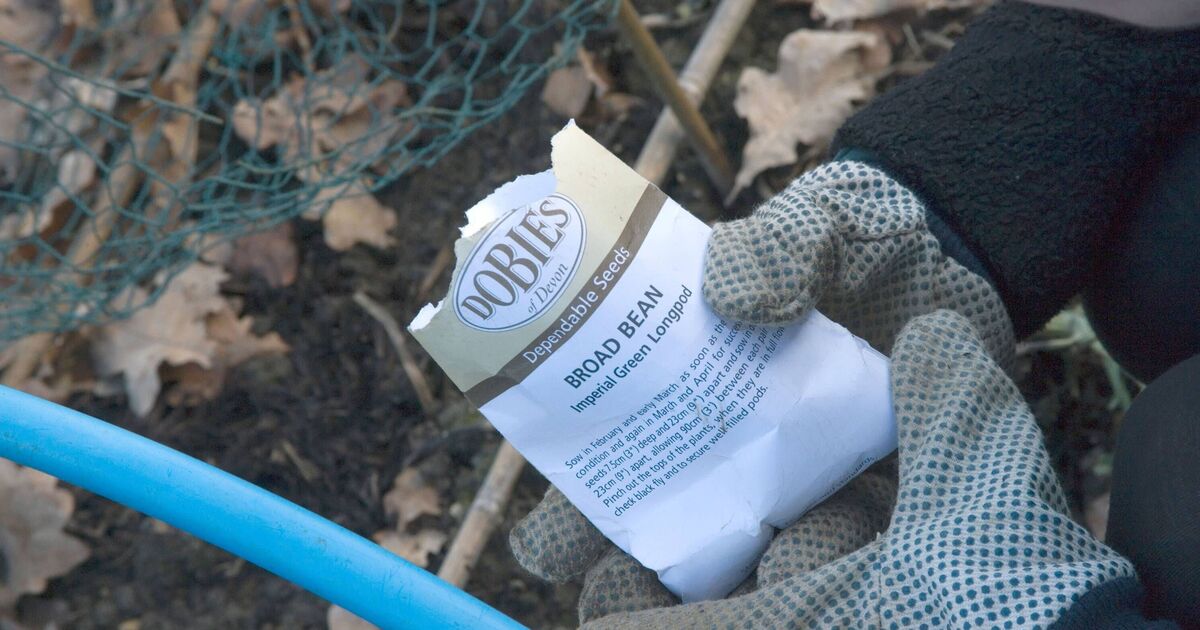

Broad bean seeds can be planted in February if the ground is not frozen (Image: Alamy/PA)
As winter gradually draws to a close, February is the month when gardeners can start preparing for spring, weather permitting. The tasks aren’t limited to outdoor activities.
If frost has hardened the ground, there’s still plenty to do indoors – from sowing seeds to tending to houseplants.
Here are 10 tasks to kickstart your gardening season, as suggested by gardening expert Hannah Stephenson from the Press Association.
Gardening tasks for February
Sow seeds
Certain vegetable seeds can be planted indoors, including lettuces, tomatoes, peppers, chillies and other salad crops, along with kale, peas and leeks. If you’re more inclined towards flower seeds, cosmos, salvias and sweet peas are excellent options.
If the outdoor conditions are suitable for sowing (not frozen or waterlogged) and you reside in a mild region, you could consider planting vegetables such as broad beans, cabbages, carrots and parsnips under cloches. However, if the ground isn’t suitable, it’s best to wait until March when the temperature has risen slightly.

Planting a bare-root rose (Image: Alamy/PA)
Read more: Essential gardening jobs to complete in January for a thriving spring garden
Read more: Gardeners urged to spray everyday item around garden to keep mice and rats out
Early seed potatoes (new potatoes), available in bags at garden centres, can be ‘chitted’ indoors now to stimulate sprout growth. Position them in old egg boxes or seed trays, ‘eye’ side up on a windowsill with indirect sunlight, and wait a few weeks until the sprouts grow to around 2cm, ready for planting out approximately six weeks later in March and April. If you prefer larger potatoes, you can remove all but three or four chits.
Plant bare-root roses, fruit bushes and shrubs
If you’ve managed to secure a deal with a bare-root variety instead of a pricier potted one, and the soil is soft enough to work with, now’s the time to plant out bare-root roses and other shrubs. This will give them a head start in growth so they’re well-established by summer.
Raspberry canes and bare-root strawberries can also be planted out in February, provided the ground isn’t frozen or waterlogged.
Prune winter-flowering shrubs
Shrubs that have provided winter colour, such as winter jasmine, should be pruned after flowering. Roses can also be pruned later in the month, along with Groups Two and Group Three clematis, wisteria, and summer-flowering shrubs like buddleia and Hydrangea paniculata, which bloom on this year’s growth.
It’s also an ideal time to tidy up fruit bushes like blackcurrants and gooseberries for a better structure. Deciduous hedges can also be cut back in February before birds begin nesting in them in March.
Wait to prune spring-flowering shrubs like forsythia until they have finished blooming, but do trim back perennials and ornamental grasses to encourage more growth.

Orange pansy flower dusted with frost (Image: Alamy/PA)
Plant summer-flowering bulbs
Begin by starting lily bulbs indoors in a cool room or greenhouse and if you’ve kept dahlia tubers over the winter, pot them up and position them in a light area like a greenhouse, ensuring the compost remains damp. Give your gladioli an early boost by planting corms in seed trays in a light, warm location where they should start to show signs of life before planting, promoting an earlier display.
February can still be bitterly cold, so ensure that netting and covers are securely fastened to shield susceptible plants from the harshest weather conditions. Various types of netting and horticultural fleece can be wrapped around potted plants or fashioned into a frame to cover wall plants.
You might have better success when planting directly into the ground if you pre-warm the soil. You can utilise cardboard, old sheets, bubble wrap or cloches to fend off the worst of the elements and give your hardy plants a fighting chance.
It might be wise to delay planting out your more robust plants until mid-February, when hopefully the sun will have made an appearance. Mulch trees, shrubs and fruit bushes with organic matter such as compost, which will not only enrich the soil, but also offer some protection to the roots.
Ensure that in the final weeks of winter, your houseplants continue to receive ample light. Move them nearer to windows but avoid draughty spots.
Avoid overwatering – consider purchasing watering indicators or simply test the soil with your finger. If it emerges with damp soil, the plant likely doesn’t require watering. Regularly dust the leaves to promote photosynthesis.
If you neglected to do so last year, head to your shed and ensure all your gardening tools are clean and oiled, primed for the new season. Thoroughly clean pots in preparation for seed sowing and ensure your lawnmower has been serviced, ready for spring’s arrival.
Your potted violas and pansies may have been dormant over winter, but deadheading them now should rejuvenate them come spring. Apply the same treatment to the wilted flowers of early-blooming primulas and clear any fallen leaves that may have accumulated in containers, providing a convenient hiding spot for slugs and snails.
