


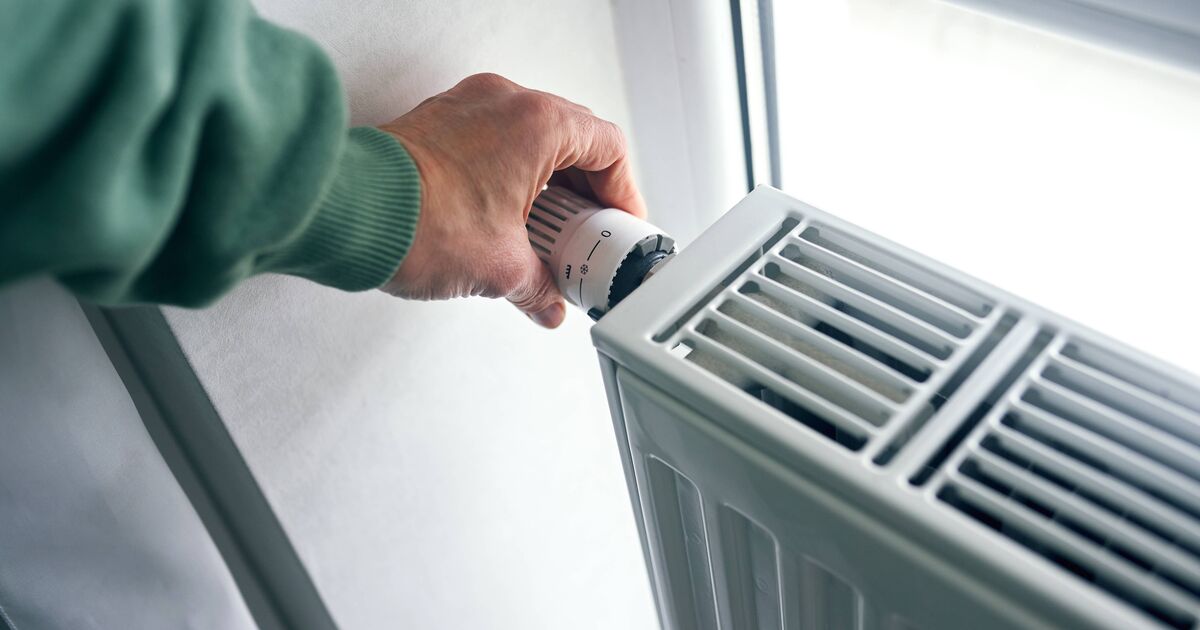
It’s essential for property owners to get organised and ready their homes to prevent potential damage during the colder months. The dropping temperatures increase the likelihood of domestic pipes being affected by the cold, causing them to freeze and burst, potentially leading to significant damage to plumbing and heating systems.
Google might appear like an obvious choice for a swift solution. However, Yell specialists warn against DIY efforts at thawing pipes as this could cause bursts – it’s better to entrust this to experienced professionals. Fortunately, there are simple steps homeowners can implement, according to plumbing expert David Doran from Blackstone Plumbing and Heating Ltd, reports the Mirror.
One key recommendation is ensuring your thermostat is properly set.
Although the urge to crank up the heating on bitter days is strong, David suggests maintaining it between 18-20C.
Maintaining the thermostat at a consistent 18 degrees reduces the likelihood of your pipes freezing over.
Numerous contemporary heating systems include a “frost protection” mode engineered to keep your property’s temperature above freezing whilst saving energy.
Bear in mind, if you’re planning to travel or cut heating costs during the winter period, it’s advisable not to turn the heating off entirely. It’s recommended to lower the temperature to approximately 15-17C (59-63F) when you’re asleep or not at home.
This not only saves energy but also prevents your house from getting too cold.
You might also consider setting regular heating intervals throughout the day to keep your pipes warm and reduce the chance of them freezing.
Furthermore, it’s vital to have your boiler serviced regularly to ensure it’s operating optimally, providing consistent warmth throughout your home.
David advises having your boiler inspected annually for safe and efficient functioning. Regular servicing can identify leaks, blockages, and verify the safety of devices, helping to avert serious problems like gas leaks or carbon monoxide poisoning.
Not only does this enhance efficiency and help save on energy bills, but many warranties and insurance policies also require annual servicing.
