


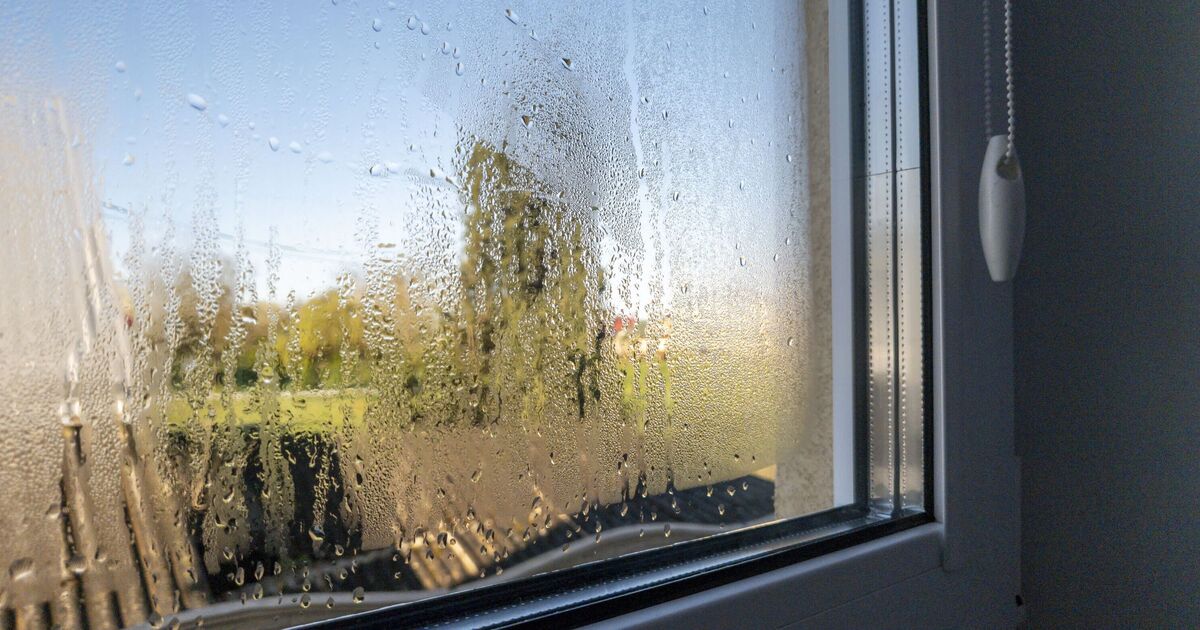
Anyone with condensation on their windows knows what a nightmare it can be. It happens when warm, humid air meets cold glass — often caused by everyday activities such as cooking, showering, drying clothes, and even breathing.
Even with double glazing, frequent condensation can lead to problems such as mould growth, damp patches, and even damage to paint or woodwork around the window. Rooms with high humidity — such as kitchens, bathrooms, or bedrooms — are more likely to have condensation buildup. This was exactly what happened to my bedroom windows each morning, as the humidity from my breathing overnight caused mist and water droplets to form on the glass.
Opening my windows for a couple of hours a day helped with ventilation, but I was keen to find a way to stop the condensation from forming in the first place.
An old-school hack for this is to place a bowl of salt by your window. I was a little sceptical about this — after all, it seemed too simple to be true.
However, I decided to give it a go with nothing to lose. I bought some table salt for 65p from Sainbsury’s and filled a small bowl, placing it on my windowsill before I went to sleep.
The next morning, I was amazed to find that very little condensation had formed on my windows, and the salt bowl was damp to the touch. It had obviously been working to absorb the excess moisture before it had a chance to form on the glass.
I’ve since kept the bowl on my windowsill every night, replacing the salt every few days to a week, depending on how often it needs changing. I’ve noticed a dramatic difference in the condensation on my windows each morning, proving that this traditional hack really does work.
How to use salt for condensation
Salt naturally absorbs moisture from the air and acts as a simple, inexpensive dehumidifier. It helps by pulling some of the moisture out of the air before it can reach the glass and cool down.
You can use any type of salt, but I would suggest using table salt, as its grains are finer, allowing for better absorption. Just fill a small bowl or dish and place it on the windowsill, especially during colder months when condensation is common.
Over time, you might notice the salt becoming damp or clumping together — that’s a sign it’s working and absorbing moisture.
You may need to replace it every couple of days or once a week, depending on the humidity level in your room. You can even place bowls in multiple rooms, such as bedrooms, bathrooms, or kitchens, to help reduce overall indoor humidity.
While salt won’t eliminate condensation completely, it can noticeably reduce moisture build-up and help keep your windows clearer and drier.
