


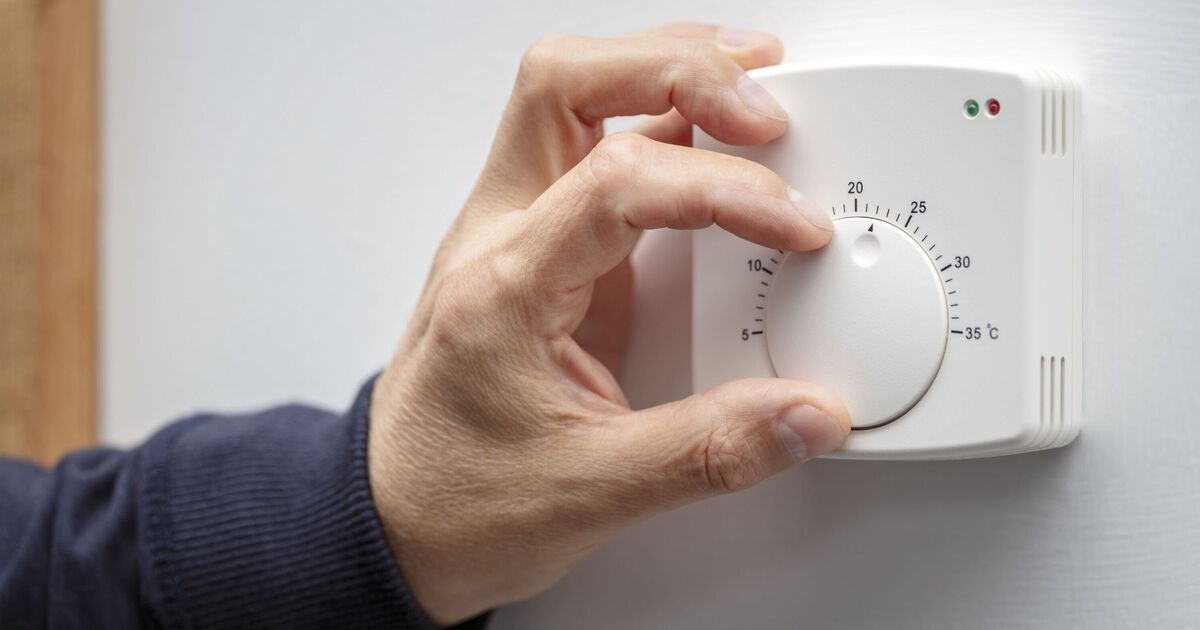
Room temperature is determined by how warm or cold the air in a room is and can be affected by the humidity. But we all experience temperature differently, and it’s highly likely that even within your own household, you’ll disagree over what the perfect temperature is for a warmer home and lower energy bills. It can be a minefield trying to achieve the best room temperature to suit everyone in your household.
While many households will try to hold off turning on their heating, doing this can lead to issues like dampness and mould, which can cause health issues and damage your home. Matthew Jenkins, a heating expert at MyJobQuote, suggests switching on central heating once typical outdoor temperatures fall below 15°C. He said, “Outdoor temperatures of 15°C are when most people notice a change in temperature enough to comment on their discomfort.”
The majority of people consider the most comfortable indoor temperature during autumn and winter to be somewhere between 18°C and 21°C.
Energy efficiency specialist Stephen Hankinson at Electric Radiators Direct claimed that homes maintain their heating at the “ideal” temperature of 18°C.
He said: “You’re unlikely to feel much of a temperature difference overall, but you’re guaranteeing a difference in usage – and costs.
“Going from 21°C to 18°C could knock 15% off your annual bill — over £300, going off average usage figures.”
For those seeking more affordable methods to keep warm as temperatures decline, hot water bottles are excellent for evenings spent relaxing, and “it costs about 6p to boil a full kettle”, the energy expert claimed.
An electric blanket also proves to be an excellent choice. Should households spend three hours during an evening beneath one, the electricity will “set you back about 9p” even running at “full blast”.
For those not working from home throughout the week, programming the heating can assist in “saving money on your bills”.
Approximately an hour during the morning, beginning shortly before you typically wake, should ensure comfort whilst getting ready for the day.
Switching the heating off whilst out during daytime hours means households can programme it to ensure the house is warm and welcoming upon return.
Likewise, for those leaving for an evening or several days, remember to adjust the thermostat accordingly to prevent wasting money.
