


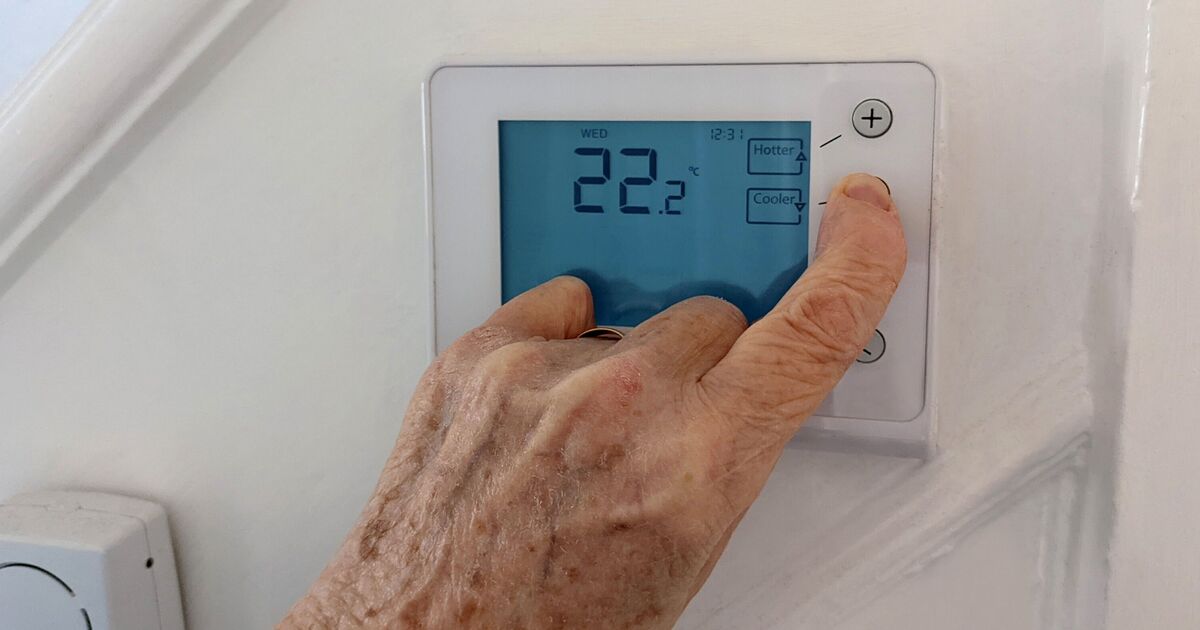
Matthew Jenkins, a heating specialist at MyJobQuote, recommends turning the heating on once outdoor temperatures drop below 15°C. He said: “Outdoor temperatures of 15°C are when most people notice a change in temperature enough to comment on their discomfort.”
Most individuals find an indoor temperature range of 18°C to 21°C comfortable during the autumn and winter months. Stephen Hankinson, an energy efficiency expert at Electric Radiators Direct, suggests maintaining home heating at the “ideal” temperature of 18°C. Setting your thermostat to 18°C instead of 21°C could knock 15% off your annual heating bill, based on average usage figures.
He commented: “You’re unlikely to feel much of a temperature difference overall, but you’re guaranteeing a difference in usage – and costs.
“Reducing the temperature from 21°C to 18°C could potentially cut your annual bill by 15% – over £300, based on average usage figures.”
For those looking for cost-effective ways to stay cosy as the mercury drops, hot water bottles are a great option for chilled evenings in, and “it costs about 6p to boil a full kettle”, according to the energy expert.
An electric blanket is another fantastic choice. If households use one for three hours in an evening, even at “full blast”, it will only “set you back about 9p”.
For those not working from home all week, setting a heating schedule can help in “saving money on your bills”. Setting the heating to come on for about an hour in the morning, just before you usually rise, should ensure a comfortable start to the day.
Turning off the heating while out during the day allows households to set it to come back on in time for their return, ensuring a warm and inviting home.
Similarly, if you’re heading out for the evening or a few days, remember to adjust the thermostat to avoid unnecessary expenditure.
