


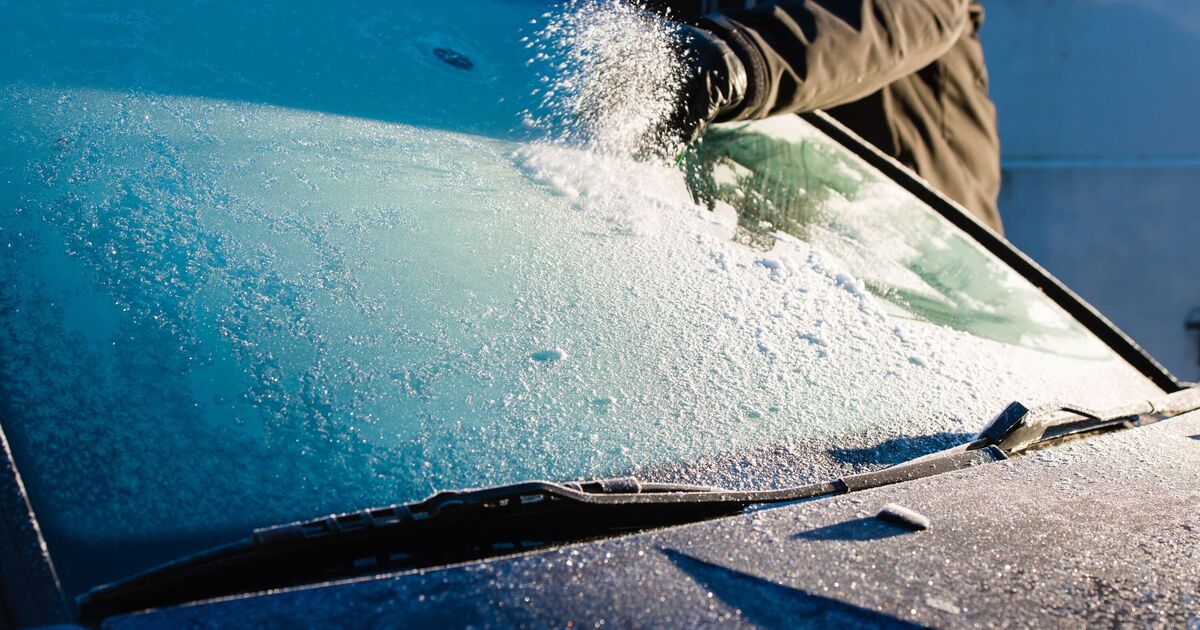
With blizzards, ice-covered roads and sub-zero temperatures disrupting travel nationwide, drivers are increasingly searching for quick fixes to get on the road. New data shows Google searches for “snow” have surged by 80% in the past 24 hours, highlighting growing concern as rural areas are cut off and major routes face severe disruption.
However, experts say many of the so-called shortcuts being shared online are ineffective and potentially dangerous. Nationwide Vehicle Contracts has revealed that some common winter driving mistakes could end up costing motorists thousands of pounds in repair bills, or worse.
One of the most concerning trends is the use of DIY de-icer mixtures, often promoted on social media as a cheap and fast solution. These hacks typically involve household products such as vinegar, rubbing alcohol, washing-up liquid or even WD-40 to remove ice from windscreens.
According to vehicle specialists, these substances are not designed for automotive use and can do more harm than good.
“Household products might seem like a clever workaround, but they can seriously damage your car,” said Keith Hawes, director of Nationwide Vehicle Contracts.
He said: “Vinegar and alcohol can erode paintwork and rubber seals, while washing-up liquid and WD-40 can dry out wiper blades, leading to smearing or even complete blade failure.”
Reduced visibility caused by damaged wipers or residue on the windscreen can significantly increase the risk of accidents, particularly on icy roads.
In addition, long-term damage to paint, trim and sensors can result in expensive repairs that far outweigh the cost of proper winter products. Experts warn that using inappropriate chemicals on modern vehicles, many of which are fitted with advanced driver-assistance systems and sensitive sensors, can also interfere with safety technology, potentially triggering warning lights or system faults.
Instead of relying on DIY fixes, motorists are urged to use proper car de-icer products, which are specifically formulated to melt ice quickly without harming paintwork, rubber, wipers or electronic components.
“Proper de-icers are tested for vehicle use and are far safer for both the car and the driver,” Hawes said.
He added: “They improve visibility quickly and reduce the risk of damage, helping drivers stay safe and avoid unnecessary costs.”
With wintry conditions set to continue, experts are advising drivers to plan journeys carefully, allow extra time, and ensure their vehicles are winter-ready. What may seem like a harmless shortcut in freezing conditions could ultimately prove costly – both financially and in terms of safety.
