


Our gardens are mostly dormant in January, so many gardeners assume there’s nothing to be done outdoors, however winter is actually one of the most important times of year for pruning certain plants. While not everything in the garden should be pruned, certain plants such as deciduous trees, roses and shrubs respond well to a winter trim.
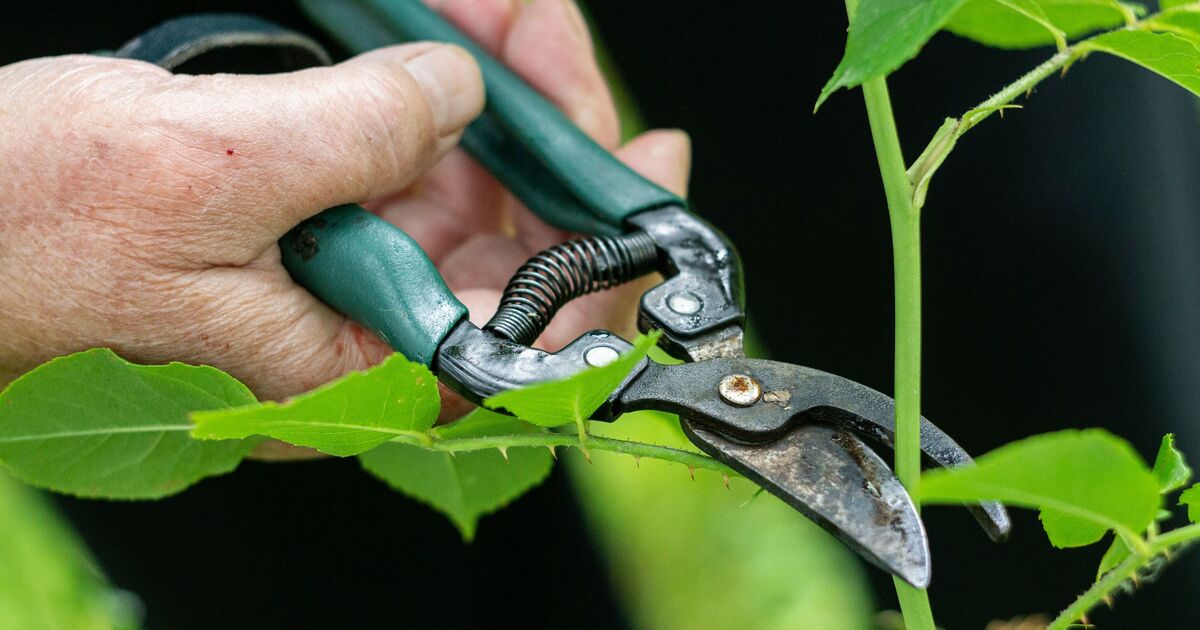
Pruning during dormant months helps them recover more easily and directs their energy into strong, healthy new growth for spring, while also making it easier to see and shape deciduous plants as their foliage has fallen. Winter pruning can also help reduce the risk of disease or prevent it from spreading. Make sure to cut back dead or damaged stems on your rose bushes and climbers to encourage healthy, new growth and improve airflow through the plant.
If you have plants in your garden that bleed sap when cut, such as grapevines, maples, birches and figs, they should be pruned now while they are fully dormant. Cutting them later can cause excessive sap loss that weakens the plant.
It’s also recommended to prune fruit trees in winter to improve their shape and prevent diseases, as it’s easier to see their structure while they’re dormant.
It’s important not to get too carried away with pruning, as not all plants are suitable for a winter trim. Avoid cutting back spring-flowering plants, as this could remove this year’s blooms.
Here are Chris Bonnett’s tips on the plants you should prune in winter:
Roses
Most garden roses, especially bush and climbing roses benefit from a winter prune. Cutting them back now helps encourage strong, healthy stems and larger flowers later in the year. Pruning also allows more airflow to the plant. Remove dead, damaged or crossing branches and reduce the remaining stems to create an open, goblet-shaped structure.
Pear and apple trees
Winter is the ideal time to prune apple and pear trees while they’re dormant, as you can better see the structure of the tree without the foliage. Focus on removing dead or diseased wood and thinning out crowded branches to improve airflow and access to light. This helps reduce disease and leads to better-quality fruit in autumn.
Grapevine
Grapevines should be pruned in mid-winter before sap starts rising. Leaving the pruning too late can cause the plant to bleed excessively and weaken it. Don’t be afraid to prune heavily. Vines are vigorous growers and produce fruit on new growth, so cut all fruiting side shoots back to just two buds.
Fruit bushes
Fruit bushes, including blueberries, black and redcurrants, as well as gooseberries, should be pruned in winter. Remove older, less productive stems at the base to encourage fresh growth and improve fruit quality.
Wisteria
Wisteria needs regular pruning to keep it under control, and winter is one of the two key times to do it. Cut back the sideshoots to three or four buds. This helps direct the plant’s energy into flower production rather than excessive leafy growth.
Group 3 clematis
Climbers such as late-flowering Group 3 clematis flower on new growth and can be cut back hard in winter. Prune the plant down to 10cm above the ground to encourage vigorous shoots and more flowers later in the year.
