


During winter, it is very common for pipes to freeze, so households are urged to take precautions to prevent this from happening. A frozen pipe can cost around £200 to fix, according to HomeServe, and leave the home without water and heating for days until the issue is resolved.
Andy Ellis from Vidalux.co.uk said: “Frozen pipes can be a common problem in the winter when temperatures hit below freezing. This is mainly a problem for exterior pipes and those that aren’t near a source of heat, like in the garage or loft. The temperatures have dropped significantly, and as they hit below zero degrees, pipes are much more likely to freeze over. There are a few things you can do to prevent this from happening, so you don’t have to face a costly repair.”
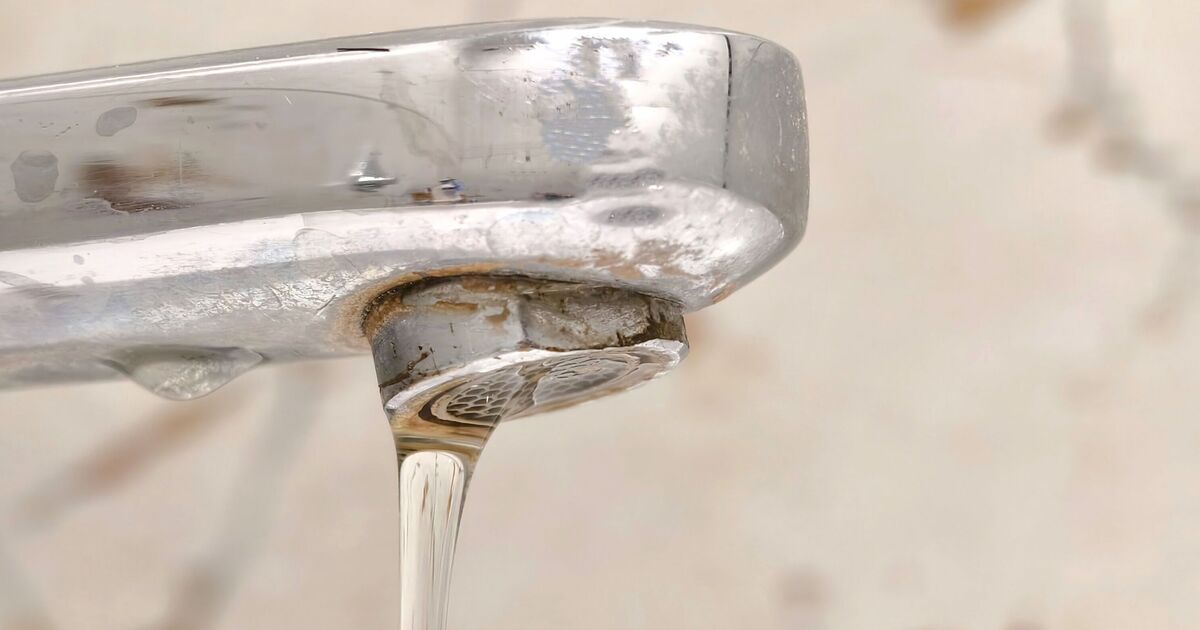
One prevention method is to leave taps dripping ever so slightly. Andy said, “Consider leaving the faucets dripping ever so slightly with cold water. Even this small movement of water through the pipes can prevent them from freezing.
“This may seem like a waste of water, but a very slightly higher water bill will be cheaper than fixing burst and frozen pipes.”
To stop pipes from freezing, you will need to consider the layout of your plumbing and the areas most vulnerable to the cold, as dripping faucets will keep pipes from freezing.
It’s most important to drip water on taps supplied by pipes that run along exterior walls. These are the pipes most exposed to extreme temperatures, and, therefore, most likely to burst.
In general, you should let at least one tap drip in each section of your home. This is especially crucial if your home has multiple floors or distinct areas, like an extension.
If you have the option, choose taps that allow you to control hot and cold water separately and let both drip slightly. This ensures that both hot and cold water lines are less likely to freeze.
To drip taps correctly, turn them on just enough to drip, and leave them dripping until the temperature outside consistently stays above freezing. This is typically when the weather forecast indicates that the daytime and nighttime temperatures will stay above zero degrees.
