


Bananas are one of those fruits we have in the kitchen most of the time, as they are perfect for a snack and are packed with fibre and a few other health benefits. However, the downside of them is that they never seem to ripen slowly.
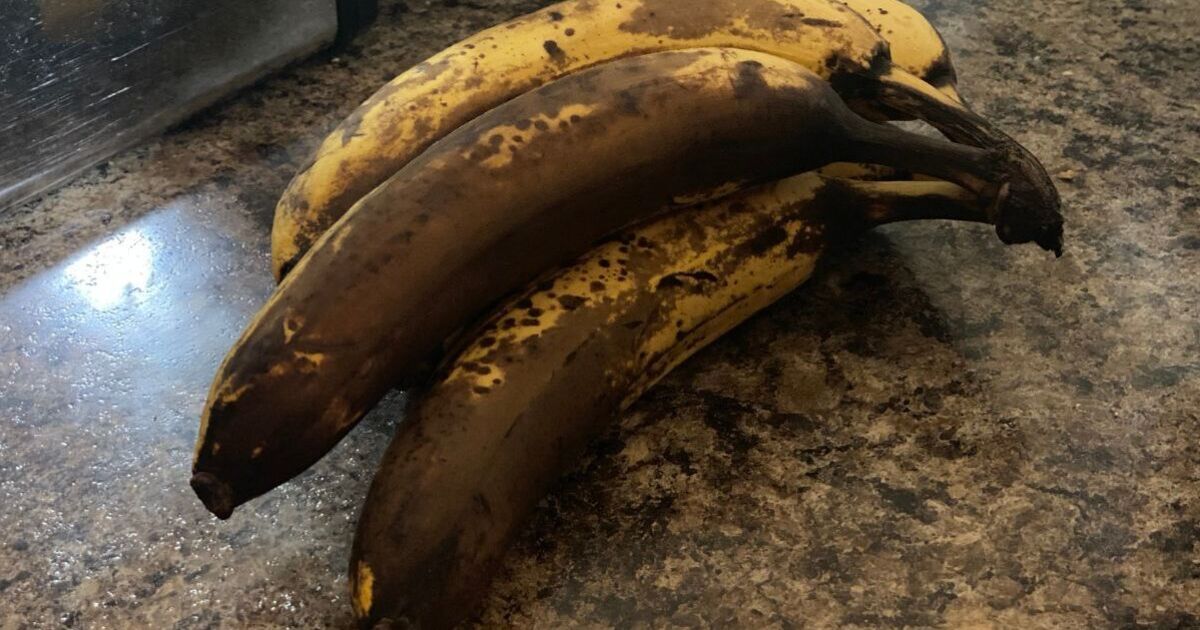
Typically, bananas only remain fresh for about five days after they are ripe, if left on the kitchen counter. However, after just three days of purchasing bananas that were underripe in the supermarket, they had turned completely brown and felt very mushy. It turns out I had made a key banana storage mistake that was causing the fruit to ripen at a faster rate than usual.
So, what was the culprit? Avocados. Although I always keep bananas on the kitchen worktop, this time around I didn’t realise that I had also kept avocados right by them.
Avocados, like many other fruits, release ethylene gas as they ripen. This means that when they are kept beside bananas, the gas accelerates the bananas’ ripening process.
Ethylene gas is a plant hormone that speeds up the ripening process. Sometimes, this can prove to be useful.
For example, if I had green bananas that I wanted to soften, placing them beside an avocado for a short time would help to achieve that.
As these bananas were extremely mushy, I used them to make a delicious chocolate chip banana bread and baked oats.
With the next bunch of bananas I picked up from the supermarket, I made sure to keep them away from the avocado and any other fruits like apples. This time around, the bananas only started to turn slightly brown after six days.
As bananas are something I mostly have in a yoghurt bowl with raspberries, I find it best to freeze them to preserve their freshness.
To freeze them, I peel the bananas and slice them into half-inch-thick discs. I put the discs into a tray and pop them into the freezer, and freeze them until solid.
Then I transfer them into labelled resealable freezer bags, making sure to remove any excess air before sealing. I find that the bananas remain fresh for six months; after that, the flavour isn’t great.
