


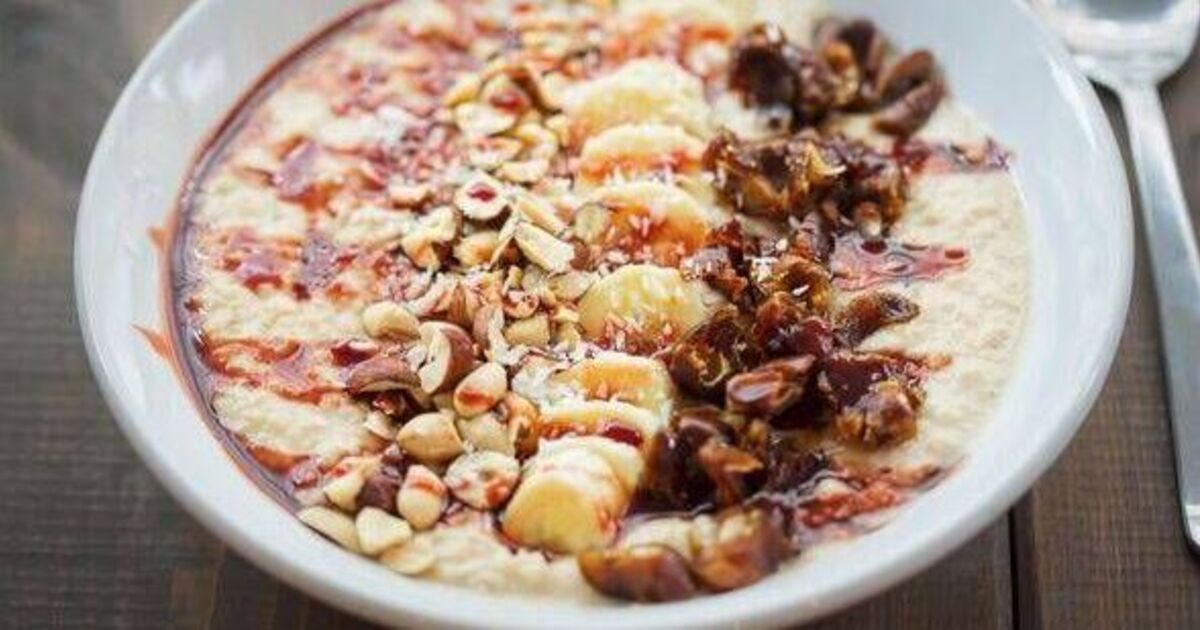
Porridge is a blank canvas of oats and water (or milk) but it is the kind of breakfast that can be hugely elevated with small, thoughtful tweaks. Ask most people how to make it better and they will likely suggest a sweet twist which makes it taste like anything but porridge!
But ask chefs and you’ll hear good advice: season properly, choose good oats, pay attention to texture and finish with natural add-ins. Those simple moves turn a functional bowl into something you’ll actually crave. I spoke to four British chefs working in very different kitchens who all said porridge tastes better when you make a few small changes at the hob and in the bowl.
On convenience products, there is little debate. Stuart Fox, Head Chef at The Reserve at Chester Zoo, is direct: “There is a time and place for pre-packaged foods-but porridge isn’t one of them.”
Stuart recommends quality rolled oats for a smoother texture and says pre-packaged porridges “typically use steel-cut oats”, which he finds claggier when speed-cooked.
From the Isle of Skye, Clare Winskill of Coruisk House echoes the focus on fundamentals. “For me, porridge always tastes better when it’s made with high-quality Scottish oats,” she said, especially when paired with steady stirring to reach a creamy consistency.
But seasoning is where the consensus becomes clear. Stuart argues for a small step most home cooks skip at breakfast. “Salt is a flavour enhancer,” he says, that helps “prevent the porridge from being gloopy” while bringing out natural sweetness.
Clare says a pinch of sea salt is “an absolute must”. But let’s be clear: these chefs are not aiming for porridge that tastes salty;. They are saying it should be properly seasoned so the oats taste more like themselves.
When it comes to sweetening porridge, the chefs said that there is a stark difference in sweetness between natural flavourings and processed additions.
Mark McShane, founder of Food Hygiene Certificate, said he would “never add artificially flavoured syrups”, warning they cause “a sharp spike in your blood sugar” and “mask the natural taste of oats”. For a satisfying bowl, he prefers “fresh fruit, a drizzle of honey, or perhaps a handful of nuts”.
Clare takes a similar stance, stating that white sugar “just doesn’t sit right with the natural depth of proper Scottish oats”. And Stuart claimed that he would “never add chocolate to porridge”, opting for an even sweeter natural alternative. For finishings that carry flavour without overwhelming the base, the chef champions fruit with character.
“I like to finish my porridge with chopped medjool dates,” he says, calling them “the best of both worlds”, delivering intensity alongside health benefits for those with a sweet tooth. Dates are a good source of antioxidants and fibre, which are good for long-term health and avoiding chronic illness.
Clare adds earthiness by layering honey, cinnamon, and dried fruit. For a special touch, a “drizzle of cream and a splash of Drambuie” can elevate the experience while staying true to Scottish tradition.
Dean Harper, of Harper Fine Dining, treats texture as essential rather than optional. He highlights toasted seeds as his signature upgrade.
“I like adding a few toasted seeds to porridge (pumpkin and sunflower are my faves),” he says. Toasting “brings out their oils”, delivering a “richer nutty flavour” with a “delicate earthy note” that cuts through the creaminess. The seeds also add crunch as well as extra fibre, protein and healthy fats.
