


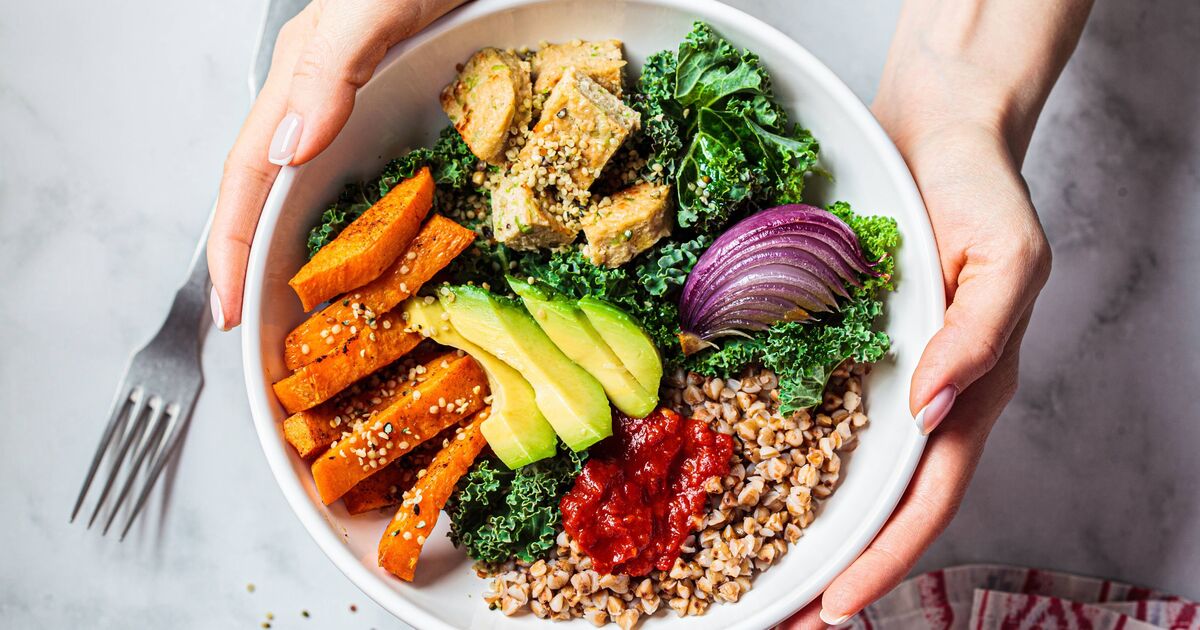

I decided to ask several experts and doctors what the best foods are for lowering cholesterol (Image: vaaseenaa via Getty Images)
Last year, I found out I had slightly elevated cholesterol levels. The results were not catastrophically bad, but as someone in my late 20s, I was shocked to say the least. The slightly elevated levels were likely caused by my diabetes, but I also knew I hadn’t been as strict with my exercise regimen. Speaking to a nurse, they recommended Benecol yoghurt drinks and cod liver oil supplements, the latter of which I was already taking. After increasing my physical activity, making a few dietary adjustments, and taking Benecol daily, my cholesterol levels returned to normal.
However, since then, I have been determined to keep my cholesterol levels in a healthy range to avoid further health problems in the future. One of the best ways to maintain a healthy cholesterol level is through a balanced lifestyle and a healthy diet. I decided to ask several experts and doctors what the best foods are for lowering cholesterol – and they all agreed on one particular food item: oats.
READ MORE: Reduce bad cholesterol with 30p kitchen staple – and cutting one type of fat
READ MORE: High cholesterol signs that show on fingernails and how to know for sure
Several foods were highly recommended by the doctors and experts I spoke to, including nuts, beans, lentils and healthy fats, but oats were universally recommended by all the experts.
Oats are a brilliant staple that contains the soluble fibre beta-glucan, which is key to reducing low-density lipoprotein (LDL). LDL is the “bad” cholesterol that transports cholesterol, fats and proteins in your blood. The other form of cholesterol is high-density lipoprotein (HDL), sometimes referred to as “good” cholesterol, as it transports excess cholesterol from the body’s tissues back to the liver for removal.
Dr Naveed Asif, a GP at The London General Practice, explained that cholesterol is a “waxy, fat-like material present in every cell of the body” and is “essential for the production of hormones, vitamin D, and compounds that aid in digestion”. However, too much “bad” cholesterol can cause plaque to accumulate in your arteries and other health issues, such as atherosclerosis.
Dr Asif continued: “Elevated cholesterol levels can greatly heighten the risk of heart disease, stroke, and other cardiovascular conditions. An excessive buildup of LDL cholesterol in the arteries can cause atherosclerosis, a condition characterised by the hardening and narrowing of the arteries, which restricts blood flow. This can lead to severe health problems, such as heart attacks and strokes.”
Dr John Field, associate clinical director at Bupa Health Clinics, agreed that high levels of certain cholesterol types can “increase your risk of cardiovascular disease – for example, heart disease and stroke”.
He continued: “This is because one type of cholesterol can cause fatty deposits to build up inside your arteries. Over time, these can make your arteries narrower and narrower, which restricts the flow of blood to organs such as your heart. This can affect other parts of your body too, including your arms and legs.”
Doing regular physical activity, maintaining a healthy weight, limiting alcohol and quitting smoking if you smoke can all help lower elevated cholesterol levels, but making changes to your diet is often the easiest first step to take.

Oats and barley tend to top the list because their beta-glucan fibre lowers LDL (Image: Arx0nt via Getty Images)
Dr Saira Bano, an experienced NHS and private GP with over a decade of clinical practice, noted that doctors largely agree that soluble-fibre staples and sensible fat swaps help lower LDL cholesterol levels. However, she said, “oats and barley tend to top the list”.
She continued: “Oats and barley tend to top the list because their beta-glucan fibre lowers LDL, with about 3g per day from porridge or oat bran being a realistic target. Beans, lentils, and chickpeas most days, along with fruit and vegetables rich in soluble fibre such as apples, berries, citrus, aubergine, and okra, help bind cholesterol in the gut and support bile acid excretion.
“A small daily handful of nuts, roughly 30g of almonds, walnuts, or pistachios, plus soya foods like tofu, edamame, and soya milk or yoghurt a few times a week, can support LDL reduction while adding heart-healthy fats and plant protein. Seeds and fibre supplements also have a role: one to two tablespoons of ground flax or chia, or around 10g of psyllium, can meaningfully lift soluble fibre intake.”
She also said that many clinicians recommend consuming plant sterol or stanol-enriched spreads or yoghurts (such as Benecol) at 1.5–2g per day, which can lower LDL by around 7–10%, alongside swapping butter or ghee for olive or rapeseed oil in cooking.
Dr Adam Staten, resident doctor for One Day Tests, the UK’s leading next-day blood results clinic, said the “traditional advice” for lowering cholesterol has been to follow the Mediterranean Diet, which largely focuses on fruit and vegetables, low amounts of red meat, chicken and oily fish and olive oil instead of butter or ghee.
However, he also recommended eating nuts and soluble fibre such as oats, lentils, beans and barley.
According to the expert, a study has found that people who ate nuts five or more times a week reduced their risk of ischaemic heart disease by 20% compared to people who hardly ever ate nuts. It’s important to note that the nuts should ideally be eaten raw and unsalted.
He added: “Food sources of soluble fibre like beans, lentils, oats and barley, help improve cholesterol by reducing the absorption of cholesterol in the gut and should also be eaten regularly by anybody looking to lower cholesterol.”
Tobias Mapulanga is a biomedical scientist with frontline expertise in haematology, immunology and diagnostics also said foods high in soluble fibre, such as oats, and those that replace saturated fats with unsaturated ones are recommended for lowering LDL.
He said: “Regular oats or barley for beta-glucan, along with beans, lentils, chickpeas, and fruits such as apples, pears, and citrus for pectin, help reduce cholesterol absorption in the gut and lower LDL. A small handful of nuts on most days, soy foods like tofu or soy milk, and seeds, including flax and chia, add extra fibre and plant sterols while supporting a healthier lipid profile.
“For cooking and dressings, it helps to swap butter, ghee, and coconut oil for olive or rapeseed oil to reduce saturated fat and increase monounsaturated fats, and to include oily fish a couple of times a week for overall cardiometabolic benefit.

It can be hard knowing what to eat to lower cholesterol (Image: ollo via Getty Images)
“If you want an added push, sterol- or stanol-enriched spreads and yoghurts providing around 1.5–2g per day can further lower LDL when used alongside these foods, though they are not intended for children or during pregnancy.”
Dr Richard Allison, a nutritionist at Herbalife, suggested adopting a heart-healthy diet that’s rich in soluble fibre such as oats, beans and fruits to keep cholesterol levels balanced. He also suggested opting for unsaturated fats such as avocados, nuts and olive oil and omega-3s such as oily fish.
Dr Allison also recommended regular physical activity – at least 150 minutes of moderate exercise each week – to help raise HDL and lower LDL. He said: “Reduce saturated fats (found in red meat, full-fat dairy, and processed foods) to below 20-30g daily, replacing them with unsaturated fats. Secondly, eat at least five portions of fruits and vegetables daily, whole grains, and foods high in soluble fibre (e.g. porridge, lentils) to lower LDL by 5-10%. And lastly, include oily fish twice weekly for omega-3s, and limit added sugars and salt.
“Aim for 150 minutes of moderate aerobic exercise (e.g. brisk walking, cycling) plus strength training twice weekly. This raises HDL and lowers LDL, with studies showing benefits within weeks.”
Deborah Grayson is an internationally renowned pharmacist and qualified nutritional therapist who also runs Practice With Confidence, offering mentoring and support to nutritional practitioners.
Ms Grayson also agreed that foods high in soluble fibre, such as oats, can help lower cholesterol. She said: Consuming foods which are high in fibre can help to lower cholesterol, as it binds to cholesterol in the gut and stops it being absorbed into the body. Soluble fibre, which draws water into the gut, is best for this. It’s found in oats, barley, legumes (beans, lentils, peas and soybeans), chia seeds and fruits, especially apples and berries.
“Oats and barley contain a type of soluble fibre called beta-glucans, with a bowl of porridge providing around half of the daily recommended amount.
“In addition to fibre-rich foods, antioxidants found in berries, leafy green vegetables and brightly coloured vegetables, such as lycopene in tomatoes, support healthy cholesterol levels, reduce inflammation and aid heart health in general.”
She also recommended eating five portions of fruit and vegetables a day, eating foods high in omega-3 fatty acids such as oily fish and flaxseed and monounsaturated fats (found in olive oil, nuts, avocados), and eating nuts which contain natural compounds called plant sterols that block some cholesterol from being absorbed in the blood.
NHS GP Dr Dave Nichols, also resident doctor for at-home testing brand MyHealthChecked, shared five straightforward recommendations for managing cholesterol, including eating foods rich in fibre such as oats.
He said: “Focus on foods rich in fibre (like oats, legumes, fruits, and vegetables) and healthy fats (like those in nuts, seeds, olive oil, and fatty fish). Cut back on saturated fats, trans fats, and processed foods.”
He also recommended exercising regularly (around 30 minutes of moderate activity most days), maintaining a healthy weight, quitting smoking and limiting alcohol and using an at-home cholesterol test kit so you can monitor your total cholesterol, HDL, LDL and triglycerides easily.

Oats were universally recommended by all the experts (Image: 4nadia via Getty Images)
Dr Asif also recommended adopting a heart-healthy diet to maintain balanced cholesterol levels. He emphasised the consumption of fruits, vegetables, whole grains and healthy fats while minimising saturated fats and trans fats.
Some of the “best foods” for cholesterol include oats and wholegrains, fatty fish like salmon and mackerel, nuts and seeds, avocados and legumes and beans.
He suggested avoiding processed and fried foods, red and processed meats, full-fat dairy products, sugary snacks and beverages and trans fats in baked goods and margarine.
Dr Field also recommended increasing the consumption of foods rich in HDLs and reducing the consumption of foods rich in LDLs. “HDL helps to combat bad cholesterol by carrying the harmful LDL back to the liver to be broken down, thus avoiding the arterial plaque buildup,” he said.
These are some foods he suggested:
High-fibre foods include wholegrains, pulses, and fruits and vegetablesOily fish (salmon, trout, herring)AvocadoVirgin and extra virgin olive oilUnsalted nuts and seedsBeansLentilsOatsGarlicOnionsColourful fruit and vegetables

Nuts were mentioned by several of the experts (Image: margouillatphotos via Getty Images)
What should I do if my cholesterol levels are elevated?
If you have high cholesterol, Dr Tina Ghela, a Medichecks digital clinician, advises discussing the result with your GP, particularly if you have other risk factors, such as high blood pressure, diabetes, or if you smoke. She added: “It’s likely your GP will recommend lifestyle changes for a few months before repeating your cholesterol measurement. If there has been little improvement and you’re deemed high risk, they may suggest cholesterol-lowering medication, such as a statin.”
How often should you get your cholesterol checked?
According to Dr Asif, adults are recommended to undergo cholesterol level testing at least once every four to six years, starting at the age of 20.
He said: “This testing is typically done through a fasting blood test, which measures total cholesterol, LDL cholesterol, HDL cholesterol, and triglycerides. For individuals with specific risk factors, such as a family history of high cholesterol, heart disease, diabetes, or other cardiovascular conditions, more frequent screenings may be necessary-often every one to two years.
“Additionally, those who have previously been diagnosed with high cholesterol may need to check their levels annually. Regular monitoring is crucial, as it allows healthcare providers to assess cholesterol levels over time and make informed recommendations for lifestyle changes or medication adjustments as needed, helping to reduce the risk of cardiovascular diseases.”
Overall, a combination of diet, lifestyle and regular monitoring will help keep your cholesterol levels in check. Increasing your soluble fibre intake by consuming more oats, barley, beans, lentils, and chickpeas can help reduce the absorption of LDL cholesterol in the gut. Additionally, replacing saturated fats with unsaturated, heart-healthy fats, such as avocados, oily fish, and healthy oils like extra-virgin olive oil, can lower the risk of health conditions like heart disease.
Regular exercise helps raise “good” cholesterol levels, and maintaining a healthy weight can significantly improve lipid profiles. Other factors, such as quitting smoking and limiting alcohol to below 14 units a week, can help raise HDL levels, reduce triglycerides and improve the liver’s ability to remove LDL cholesterol.
It’s essential to consult your GP before making any changes to your diet and exercise regimen.
