


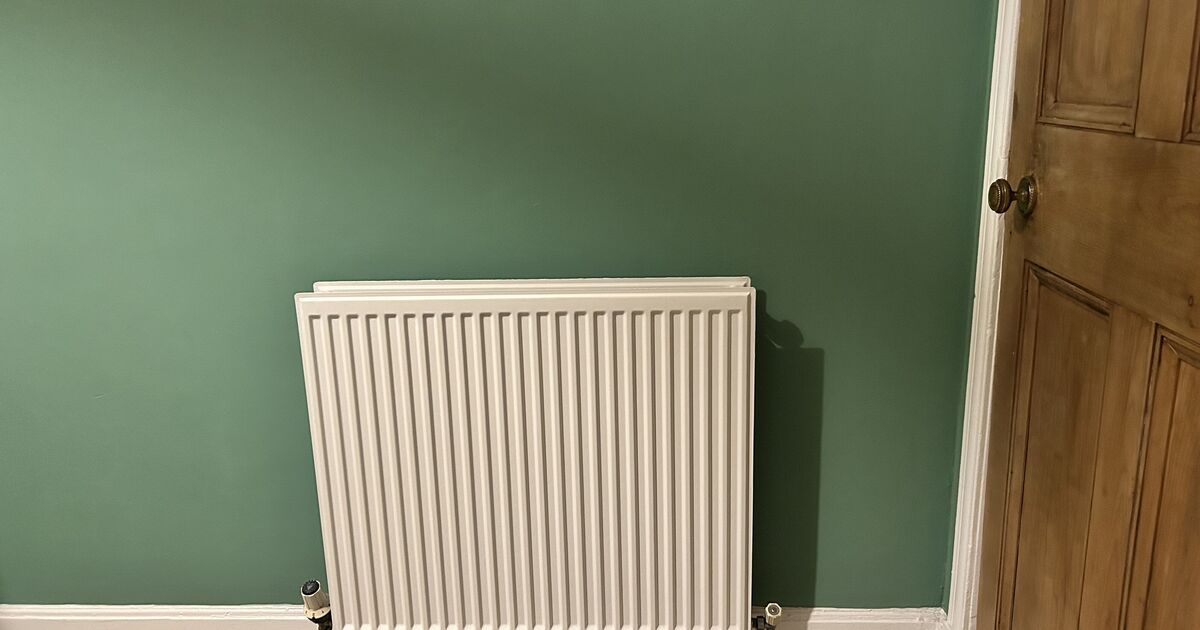
It’s never a good feeling when you have to fire up the boiler after the long months of summer. But it’s important to stay warm and safe at home, even if that means higher energy bills.
If you live in an old and draughty building, having the heating on can sometimes feel like a pointless waste of money. Even with the radiators cranked all the way up, I still spend most of the day absolutely freezing and reaching for the electric blanket. However, I recently discovered a quick way to supercharge my radiators and fill my home with a warm blast, and I can’t believe I never discovered it sooner.
Since moving into my 1900 tenement flat, I have dreaded the day I have to turn the heating on. It literally feels like burning money, as the radiators are technically turned on, but the draughty walls and high ceilings make it feel cold 24/7.
There’s only one radiator in each room too, which is a problem. And so, sick of never feeling cosy in my own home, I decided to try out a radiator booster – and it’s made the world of difference.
Made by Speed Comfort, these nifty gadgets work in collaboration with your radiators to propel heat up and around your rooms, making them heat up in ‘half the time’. And, since your thermostat doesn’t need to be set quite as high, it means savings on your energy bills too.
How to use a radiator fan
The whole process of selecting the right fan was so easy. On the Speed Comfort site, there’s a quick questionnaire that takes you through your needs, asking what size and model your radiators are and how many you’ll need them for.
Then, it gives you a recommendation, and you’re sorted. Thankfully, when the box arrives, it’s very simple to put together as well.
The fan clips directly to the underside of your radiator using powerful magnets. I opted for a set of three due to the size of my radiator, and they join together via short cables, with the whole thing then being plugged into your closest socket.
I had originally planned to test this out in my living room, but even though the fan has a long cable, it wasn’t long enough to attach to the closest socket. So I abandoned this plan and set it up in my bedroom instead, where it thankfully worked a lot better. There’s also a temperature sensor you can attach, which activates the fan when it gets warm enough.
As soon as it’s switched on, it starts whirring away, blasting the heat from the radiator up and around the room. I left it to work its magic for around 20 minutes after the heating came on, making sure to shut the door in order to get the best heat retention.
When I opened it again, I noticed that the room felt significantly warmer than usual. And, while it usually takes around an hour to feel the warmth, this handy gadget had done the trick in less than half the time.
I’ve been using it for a couple of weeks now, and I no longer dread jumping into a freezing cold bed at the end of the day. And they’ve got another really impressive quality that shouldn’t be overlooked.
On the days when it hasn’t been as cold, I’ve placed my clothes airer in front of the radiator, and the heat has dried them so much quicker than usual. I wouldn’t necessarily recommend blocking the warmth when it’s actually freezing outside, but on those milder days, it’s an excellent hack.
I did find the fan to be a little on the loud side, but if you don’t have your heating on through the night, then it shouldn’t be too much of a disturbance. I’ve recommended it to loads of people, since they come with a 10-year warranty and you don’t need any tools to set them up.
They aren’t the cheapest to buy, with a trio set of fans costing £109.95. However, if you’re serious about lowering your energy bills and just want to be cosy, it’s worth the initial investment – even if that’s just for one room.
