


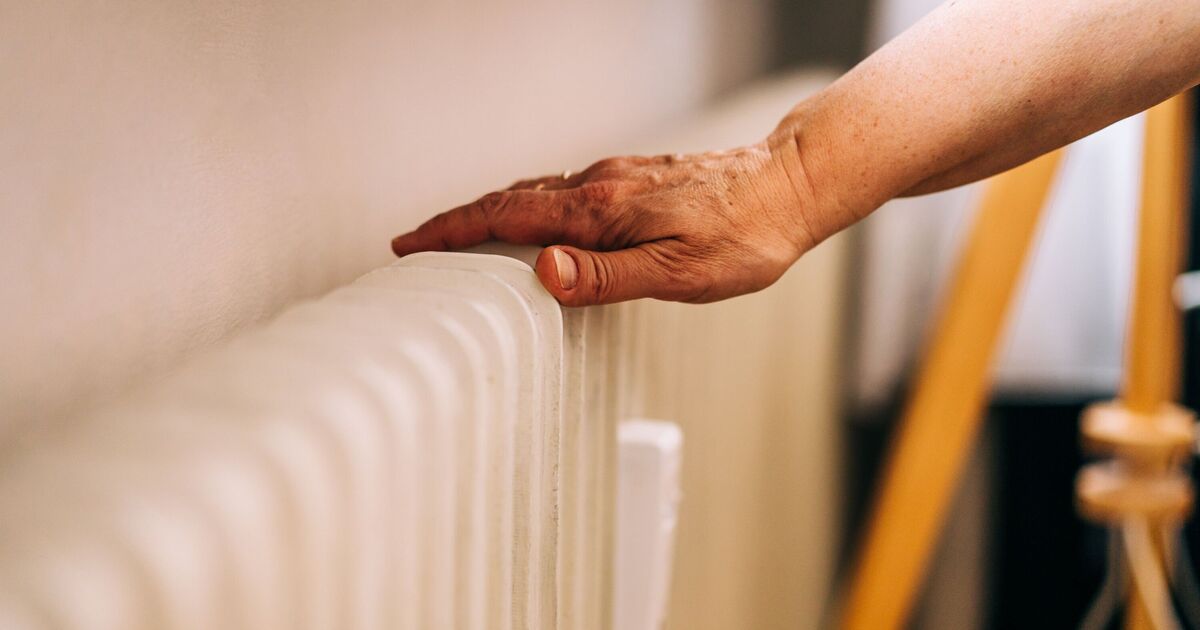
Plumbing professionals are advising households to carry out a straightforward maintenance check on their radiators that could make your heating more efficient and prevent problems down the line.
As icy conditions sweep across Britain, households will be demanding more from their central heating systems than ever this season. One important task could boost the warmth of your entire home – bleeding the radiators. Fortunately, an expert has shared the best time to turn on heating and demonstrated just how straightforward the bleeding process actually is.
David Doran, a plumbing specialist from Blackstone Plumbing and Heating Ltd, shared with Yell the importance of maintaining radiators before turning on heating systems.
“Not bleeding radiators, trapped air in radiators, can cause cold spots and reduce efficiency,” he said.
David notes that homeowners frequently overlook bleeding their radiators only to become frustrated when their heating system ineffectively warms their home.
If radiators aren’t bled regularly, they could not only fail to heat your home but also cause energy bills to skyrocket so it’s crucial to frequently check them for any indications of an airlock.
Cold spots are a telltale sign that a radiator needs bleeding. Regularly monitoring how long each radiator takes to heat up can also be a sign — if one takes longer than the others in your home, it may need attention.
By bleeding their radiators, David says that homeowners can maintain their heating systems and ensure they’re saving money where possible.
However, if you’re uncertain about what to do or have concerns, it’s advisable to contact a local plumber who can inspect the issue and take appropriate action if necessary.
How to bleed radiators
Bleeding radiators involves draining a small amount of water from the system into a container via the valve on the side of the unit. This process can help stimulate the system and expel the trapped air by providing an outlet through the valve.
To bleed a radiator, begin by switching on the heating and identifying any radiators with cold spots. Allow the system a few minutes to heat up properly so they’re easier to spot.
Once this is done, turn off the heating and gather some tools, including a bucket, a cloth and a bleed key, although a flathead screwdriver is equally effective.
Each radiator will have a small valve on its side, usually towards the top of the system. Place the bowl underneath the valve and then use the screwdriver to slowly open the valve, using the cloth to catch any dribbling water.
If there is air in the radiator, you should hear a hissing noise as the air is released. Keep the screwdriver in place with the valve until the hissing stops and water begins to come out, which is a sign there’s no air left.
Over time, you may have to repeat the process a couple of times so as to get rid of all cold spots. If, however, if they’re still there after a few tries, you might need a more serious repair.
