


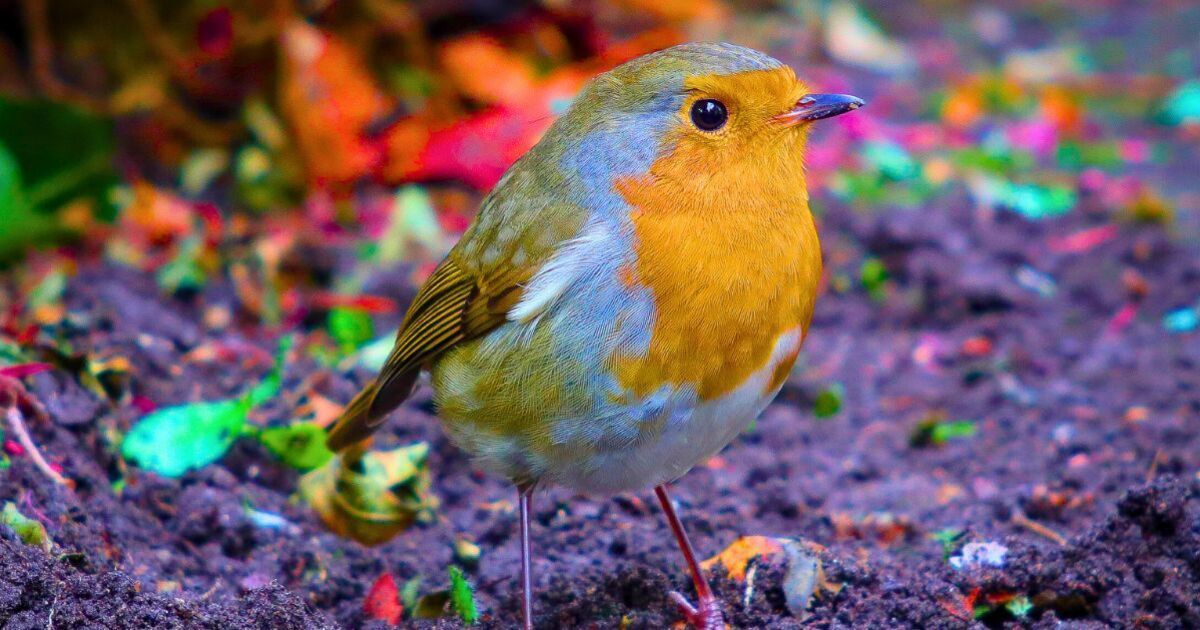
Hearing a robin chirping or seeing one perched in your garden is a lovely way to start winter, and there is an easy way to keep them coming back without spending a penny. Robins need to eat loads in November so they can store fat and stay warm during the chilly weather, but at this time of year most of their natural food sources are dwindling.
If robins cannot find enough insects before the first frosts, it can be life-threatening, and they will likely move somewhere else in search of food, so you might not see one again until next year. Luckily, the wildlife experts at Bird Spot have revealed there it is a really simple method to naturally encourage lots of food for robins by simply scattering a few items around your garden. They said: “Avoid cutting your lawn too short to provide shelter for insects and allow grass to grow seeds for them to feed on.
“Create an insect-friendly habitat by piling up logs, leaves, twigs, and rocks. Alternatively, build a bug hotel by stacking bricks or wooden pallets and filling the spaces with bamboo, dry leaves, bark, straw, cardboard, stones, and tiles.”
Most gardeners have already stopped cutting their lawns as continuing to mow in November can damage grass and prevent it growing back properly in spring.
Letting grass grow long before winter helps it provide shelter for insects such as worms, which makes it much simpler for robins to hunt for them.
However, you can also create a wild patch in your garden, also known as a bug hotel, by piling logs, sticks, leaves or other natural material in that area that will mimic a forest floor.
This helps give insects shelter and encourages them to breed to make an ecosystem that will easily sustain robins, so they will not struggle to find food at a time when it is crucial for them to store fat.
How to naturally encourage robins in your garden
All you need to do is find a sheltered spot in your garden that is protected from wind and heavy rain. It tends to be best to pick a sunny area near plants and flowers to help give insects a source of food to encourage more of them.
Then, simply stack materials on top of each other. Beatles spiders tend to be attracted to dry leaves, bark pieces and cardboard while worms like wet leaves, grass clippings and shredded paper.
Robins tend to feed on the ground so creating a wild area that encourages insects will also naturally invite more of these beloved birds to keep coming into your garden.
However, if you wish you can also buy mealworms for robins or feed them certain leftovers, but be careful to not give them anything salty or hard otherwise it could harm them.
The expert said: “Protein-rich kitchen scraps are another great option. Robins will gladly eat mild grated cheese, pieces of unsmoked bacon, or meaty pet food. Avoid offering leftover fat from roasting tins, as it can stick to their feathers, hindering their ability to fly and escape predators.”
