


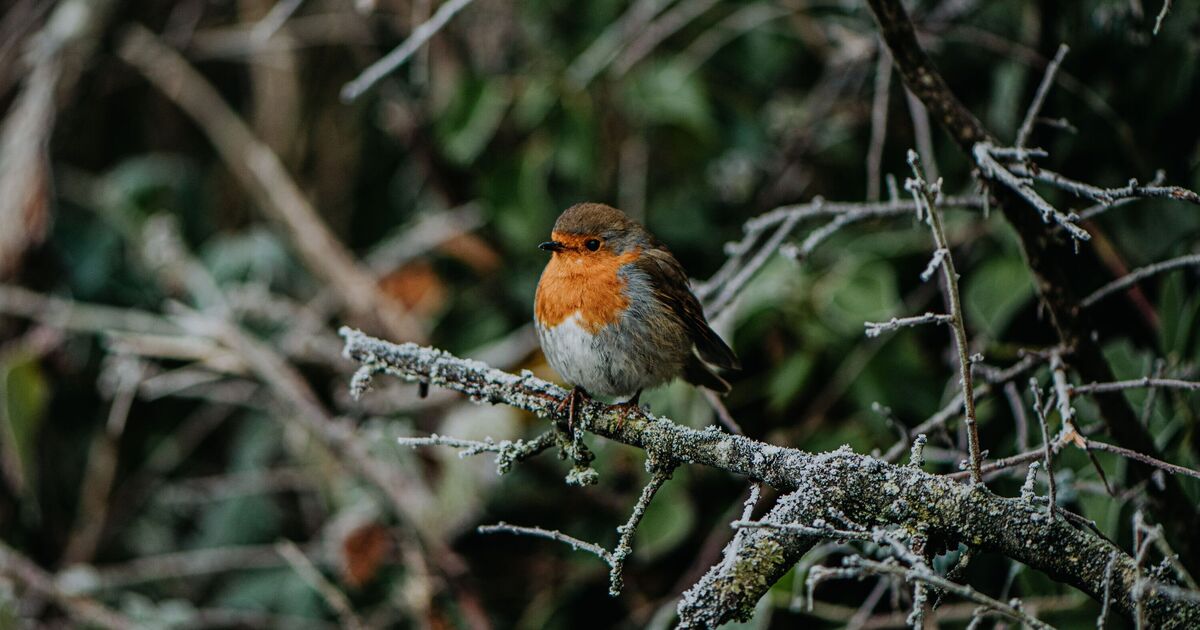
Gardeners have been advised to do one thing to their nesting boxes to attract robins in January. The red-breasted birds are associated with Christmas, as during winter, the UK population may increase with robins arriving from colder parts of Europe.
They are also a symbol of hope and renewal during the darkest time of year, and many people believe a visiting robin is a sign of a visit from a departed loved one. Those looking to bring robins into their garden have been encouraged to upgrade their bird nesting box to a winter roosting box by House Digest. These small wooden shelters trap heat with a low entrance, keeping birds warm and safe in winter. Nesting boxes, on the other hand, are only intended to protect eggs with a higher entrance to allow for ventilation. This upgrade can be completed simply by using wood filler, weather-resistant screws, and untreated wood shavings. Wild Birds Unlimited recommends flipping boxes upside down to lower the entrance, and filling ventilation holes to prevent heat from escaping. They should be put in a secluded spot, protected from wind, snow, and rain, about six feet off the ground.
Gardeners have also been told to leave suet balls in the garden. As food sources dwindle, robins will seek alternative sources of nutrients.
Richard Green, an animal nutrition expert at Kennedy Wild Bird Food & Pet Supplies, told House Beautiful that the hard, white animal fat is one of the best options for bird food at this time of year.
He said: “Suet becomes especially helpful in autumn, not just in the depths of winter, because it’s high in calories and protein. That extra energy helps birds stay warm, active, and healthy as insects and berries become harder to find.”
Suet balls, which typically contain birdseed, oats, fruit, and mealworms, can be put into special feeders or smeared onto a branch or hollow log.
Robins and other birds are more likely to spend time in your garden if they feel safe from predators like cats. The Woodland Trust advises that bird feeders should ideally be positioned at least two metres (6ft) away from dense vegetation.
This will reduce the chance of a surprise attack by cats, and means birds can still easily retreat to cover if needed. Another way to draw them in is with food. A cold snap or a late frost might delay insect activity, leaving hungry chicks waiting in the nest.
