


UK towns and cities are facing challenges as high street shopping changes, with online shopping, retail parks, inflation and mass bank closures among the reasons behind declining customer numbers. As the Christmas shopping period draws to a close and sales begin, stores such as Poundland ha announced it’s set to close several shops in various locations in 2026.
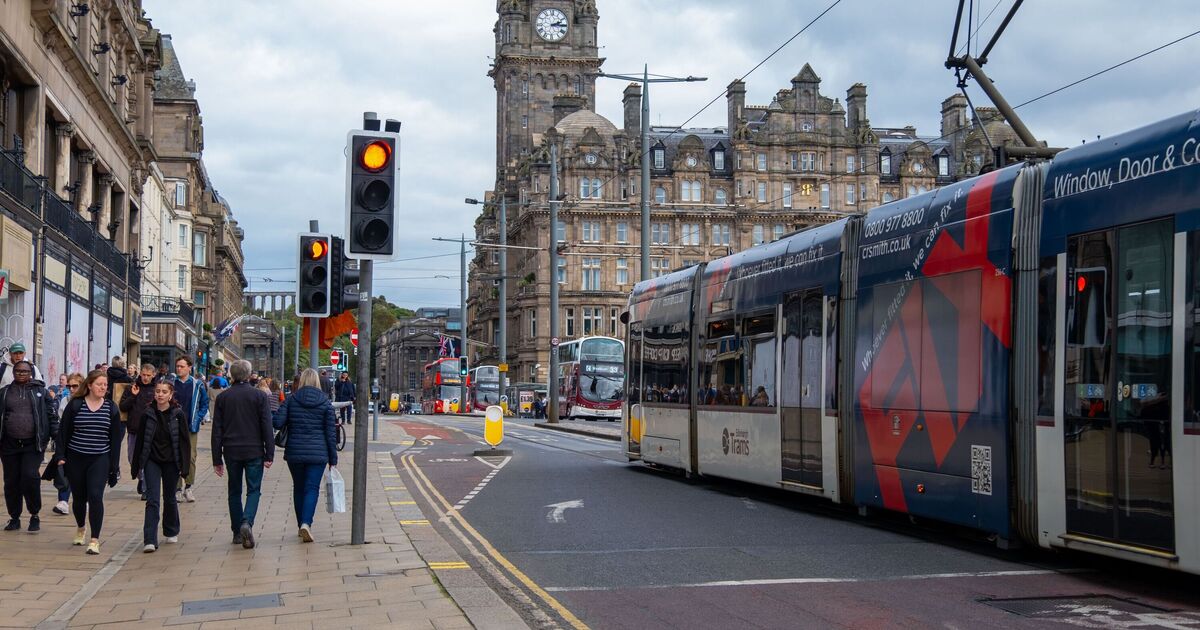
Fashion retailer River Island has also announced it will be pulling out of some locations, attributing the issues behind their shop closures to online shopping along with the high costs of running a high street store. But while it may seem doom and gloom for many towns and cities, some are bucking the trend of decline and still drawing in shoppers and visitors. Some shopping areas are bustling, lined with shops and restaurants with one that’s steeped in history described as a “spectacular shopping street”, Princes Street in Edinburgh.
Data platform Statistica recently shared data naming Princes Street one of the “most frequented high streets in all of Europe” along with London’s Oxford Street and Piccadilly Circus.
Princes Street is just over a mile long and its appeal seems to centre around it being easy to walk along, surrounded by historic buildings and having an abundance of interesting shops with some selling inexpensive items.
One TripAdvisor reviewer described it as a “flat street with tons of shops, a modern street, a beautiful park opposite,” while another wrote: “Spectacular shopping street, which runs through everything without getting tired.
However, other shopping spots are struggling with football, according to the data.
Statistica described UK high streets as the “heart of many British towns and cities, traditionally where people can find their everyday needs, such as retail stores, cafes and restaurants, banks, groceries, and other local businesses”.
But, the data platform added: “The central role of high streets has been diminishing, with a 2023 survey finding that the high street does not fulfill many consumers’ needs and almost one third of consumers said their local high street is getting worse.”
The Centre for Retail Research explained on their website: “A healthy high street needs a healthy town. The high street in any town or city forms part of the economy and ecology of the area.
“A deprived town will have an unhealthy high street. Better design and redevelopment may help to update the high street in many towns, but on its own will probably not be sufficient to revitalise a moribund town centre. Work, jobs, offices, universities and colleges are what these places need.”
Not all towns and cities across the UK are suffering, but a combination of factors have contributed to decline of footfall in some areas such as people working from home, expensive parking fees for customers and people choosing online shopping.
Successful city centres with lower vacancy rates on the high street, according to Centre for Cities calculations, show that London, Cambridge and Oxford have the fewest number of empty stores.
However, Edinburgh, York, Liverpool and Milton Keynes are also among the ‘busiest’ high streets – and many of these cities still have several central bank branches still open and operating which potentially draws people in.
The top 20 cities with (estimated) lower high street vacancy rate for shops (according to Centre for Cities) also include Southampton, Manchester, Birmingham, Reading, Exeter and Plymouth.
These cities report “high footfall” generally, despite the national retailing challenges, with many adding extra entertainment all-year-round to help draw in visitors and shoppers.
