


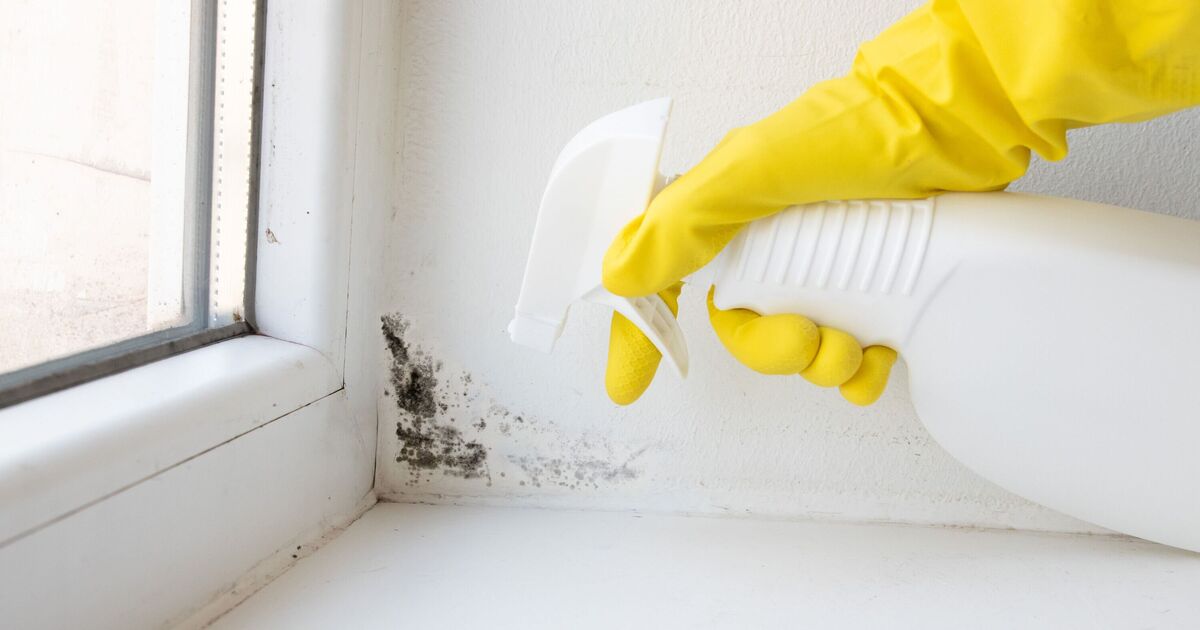
Homeowners have regulalry relied on chemical sprays to remove mould from walls, despite their strong odours and potential health risks. Those strong-smelling cleaners might promise a quick fix, but they often just bleach the surface — leaving the mould to creep back again.
However, there’s one natural ingredient sitting in your kitchen right now that can do a far better job without the toxic fumes. Not only does it clean the visible mould, but it also helps prevent regrowth — without the need for harsh chemicals such a bleach. According to Lucy Steele, paint and interiors expert at Valspar Paint, white vinegar is key.
“There are three different types of damp. Condensation is unavoidable and happens when hot air hits a cold surface,” she said.
“It’s most common in kitchens and bathrooms after cooking or showering, but it can also appear on windows after the heating has been on, for example. If condensation is left to sit on surfaces for too long, it will cause damp and mould.”
She added: “If it’s something you can tackle at home, try using white vinegar for areas of mould found on porous surfaces.
“This trick is especially useful if the damp has extended below the surface. The vinegar will penetrate to kill the mould and mildew at the root, preventing it from regrowing.”
For those tempted to paint over the mould, Lucy warns it should never be done with regular paint.
“When painting over a damp patch, you should always use a specialist paint. Paints designed for damp often have properties that treat the problem as well and stop it from coming back,” she said.
“They also let moisture escape meaning there won’t be a build-up of damp. So if you’ve fixed the root cause, using a specially formulated damp paint should put a stop to the problem for good.”
When it comes to preventing damp and mould in the future, the expert suggests fixing any leaks or managing condensation in your home which is “key to preventing black mould from growing.”
She added: “Keep problem areas like bathrooms, kitchens, or laundry rooms heated, as this will help to reduce the chances of mould growth simply because mould has an ideal temperature and moisture range in which to live and thrive.”
How to remove mould from walls
What you’ll need:
Method
Use undiluted white vinegar but don’t mix it with water, as this can weaken its mould-killing power. Pour it straight into a clean spray bottle.
Spray the vinegar directly onto the mouldy sections of the wall. For porous surfaces, make sure it seeps into any small cracks or textures.
Leave the vinegar on the wall for at least one hour. After soaking, use a soft brush or sponge to scrub away any remaining mould. Avoid using anything too abrasive, especially on painted walls.
Wipe the area with a clean, damp cloth to remove residue, then dry the surface completely. Proper drying helps prevent the mould from returning.
If you think there’s a problem with your exterior wall, roof or you have rising damp, Lucy recommends calling a specialist who will help identify the cause and fix the problem.
