


Putting white vinegar to use is a cheap, effective and non-toxic way to clean your home. It’s something many households have turned to for decades to keep their homes spick and span, and will keep turning to time and time again. Whether you’re looking to descale your kettle and taps or make your windows streak-free, vinegar can do a fabulous job.
However, like any cleaning product, whether natural or otherwise, it’s essential to recognise that vinegar is not a magic do-it-all product. Vinegar is acidic by nature. This means it is not suitable for use on all surfaces or items in your home and can damage some surfaces if used incorrectly, particularly in the kitchen.
With this in mind, cleaning experts at Crystal Carpet Cleaners have shared “what you should never clean with vinegar to avoid damage”.
What to never clean with white vinegar
The first thing they make apparent is that this natural acidic solution should “never ever” be mixed with bleach. They warned: “This first rule of what not to clean with vinegar is a bit of an outlier, but it’s the most important one, which is why we’re putting it first. Never mix chlorine bleach or products that contain chlorine bleach with vinegar ever.”
Washing machines and dishwashers
Some washing machine and dishwasher manufacturers advise against using vinegar in these appliances. This is due to concerns that the acidic nature of vinegar may corrode the rubber seals of your machines.
It is a valid concern because if you left rubber sitting in undiluted vinegar for a very long period, then it would certainly corrode the rubber.
Grout
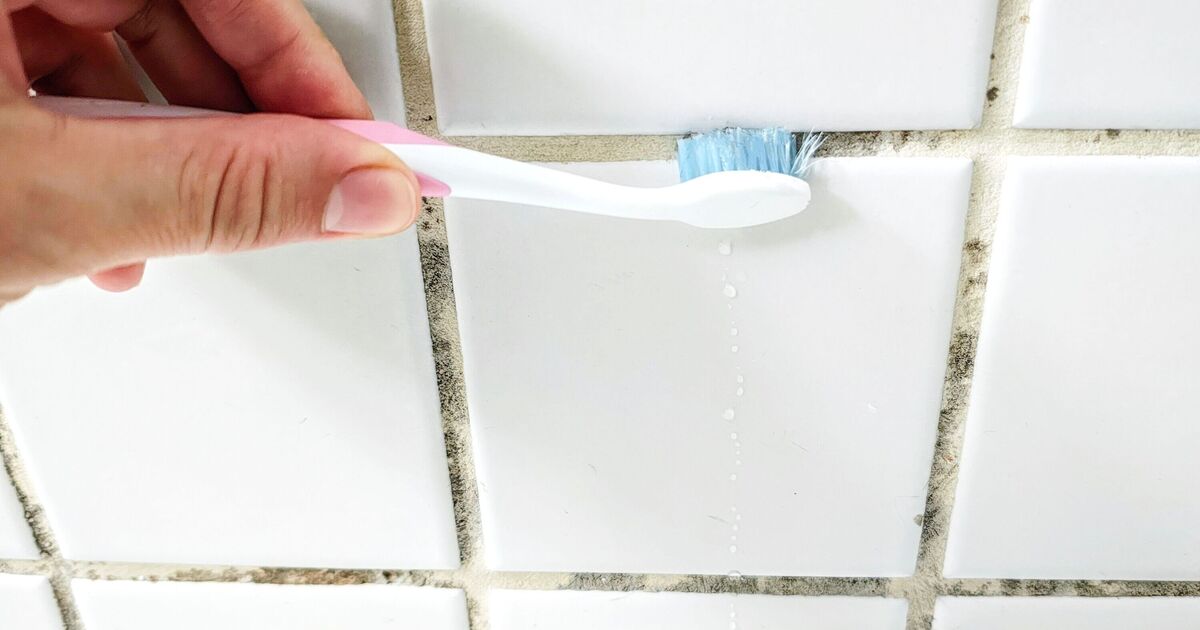
Unsealed or damaged grout should not be cleaned with vinegar, which can etch or wear grout away over time, causing it to “deteriorate”.
While sealed grout can be cleaned with vinegar, it is best to avoid it in favour of non-acidic cleaners that will not weaken it.
Knives
Vinegar can corrode the metal of knives, especially if they are made of high-carbon steel.
For a safer alternative, use dish soap or dishwashing liquid and warm water to clean kitchen knives and keep them in good condition. It can also damage the handle if it’s made of wood or other sensitive materials.
Natural stone surfaces
Marble, granite, and other natural stone surfaces like slate, whether used as home finishes like countertops, floors, and kitchen walls, should not be cleaned with vinegar.
The acid in vinegar can dull and damage stone worktops and stone surfaces, causing pitting, loss of shine, and potential damage to any sealers applied to the stone.
What to use instead
When it comes to cleaning more sensitive surfaces, it’s best to avoid using anything acidic. Whilst vinegar is a no-no, other acidic cleaning solutions include anything lemon or citrus-based, and bleach. Instead, you should opt for pH-neutral and non-abrasive cleaners.
